Schedule
  Get Directions
 Contact Us
7 Signs Your Back Pain Might Need More Than Rest
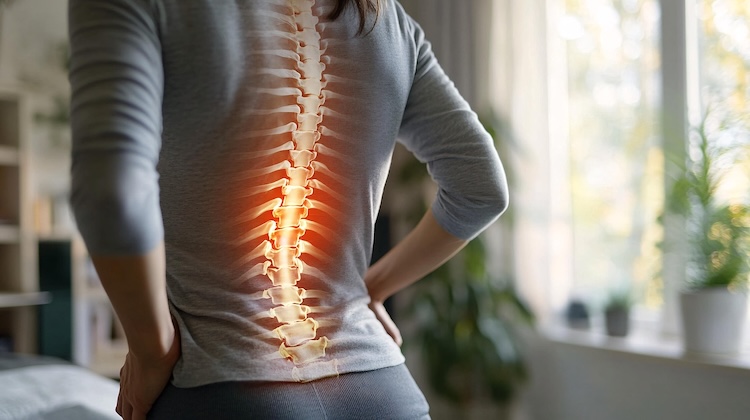
Back pain often starts one weekend of yard work, one ambitious gym session, or one awkward twist while grabbing a box from the garage.
Many aches fade after a few days of rest, gentle stretching, and a heating pad. Unfortunately, every back problem refuses to follow that script. Persistent pain can point toward nerve compression, arthritis, a herniated disc, or another chronic orthopedic condition that deserves medical attention.
How can you tell the difference?
Learning the warning signs helps you seek treatment before pain limits your work, hobbies, sleep, or quality of life. For many patients across Elizabeth, NJ, Union County, and northern New Jersey, early treatment also opens the door to effective non-surgical solutions that help avoid unnecessary procedures.
When Should You Worry About Back Pain?
Occasional soreness after physical activity rarely causes concern. Persistent pain, worsening symptoms, or neurological changes deserve a closer look.
According to the American Academy of Orthopedic Surgeons and the American Academy of Family Physicians, patients should seek medical evaluation when back pain lasts several weeks, spreads into the arms or legs, causes weakness or numbness, or interferes with daily life.
Here are seven signs your back pain might need more than rest.
1. Pain Lasts Longer Than a Few Weeks
Muscle strains typically improve within several days to a few weeks. Pain that lingers beyond that timeframe often suggests something more complex.
Possible causes include:
- Herniated disc
- Degenerative disc disease
- Spinal arthritis
- Facet joint syndrome
- Sacroiliac joint dysfunction
- Chronic orthopedic pain
Ignoring persistent symptoms rarely makes recovery easier. Early evaluation often leads to more conservative treatment options before symptoms worsen.
If you have searched for “back pain that won’t go away” or “chronic back pain treatment in Elizabeth, NJ,” scheduling an appointment with a pain management specialist makes good sense.
2. Pain Travels Down Your Leg
Pain that shoots from your lower back into your buttock, thigh, calf, or foot often signals nerve involvement.
Many patients describe:
- Burning pain
- Electric shock sensations
- Tingling
- Numbness
- Pins and needles
- Weakness
Sciatica remains one of the most common reasons for radiating pain. Herniated discs, spinal stenosis, and bone spurs frequently compress nearby nerves.
Rest alone cannot remove pressure from an irritated nerve.
Fortunately, many patients experience significant relief through minimally invasive treatments such as image-guided epidural steroid injections or targeted nerve block injections.
3. Walking, Standing, or Sitting Makes Pain Worse
If standing during dinner, sitting through a meeting, or walking around the grocery store quickly increases discomfort, your spine may need professional evaluation. Certain patterns provide valuable clues.
- Pain that worsens while standing or walking may point toward spinal stenosis.
- Pain that increases while sitting often accompanies disc problems.
- Pain during bending or twisting may suggest arthritis or facet joint irritation.
A thorough physical examination helps identify the underlying cause instead of simply masking symptoms.
4. You Notice Numbness or Muscle Weakness
This warning sign deserves prompt medical attention. Numbness, weakness, or difficulty lifting your foot can indicate nerve compression.
Watch for symptoms such as:
- Difficulty climbing stairs
- Frequent tripping
- Trouble lifting objects
- Reduced grip strength
- Leg weakness
- Foot drop
Nerves control muscle function. Ongoing pressure can increase the risk of long-term damage without appropriate treatment.
A pain management specialist can determine whether imaging, additional testing, or minimally invasive treatment offers the best next step.
5. Pain Interrupts Your Sleep
Everyone expects a poor mattress to cause a rough night now and then. But back pain that repeatedly wakes you from sleep deserves more attention.
Chronic inflammation, arthritis, disc injuries, and certain spinal disorders often produce nighttime discomfort because prolonged positions increase pressure on irritated structures. Quality sleep supports healing. Chronic sleep disruption often creates a frustrating cycle where poor sleep increases pain sensitivity the following day.
Breaking that cycle frequently requires more than another pillow from the home goods store.
6. Everyday Activities Feel Harder
Back pain gradually steals independence. Small tasks, whether picking up groceries, walking the dog, or driving to work, become frustrating.
Reduced mobility often signals progression of an underlying spinal condition.
Personalized treatment plans focus on restoring function rather than simply reducing pain. Many patients benefit from conservative therapies combined with minimally invasive procedures that improve mobility while avoiding surgery.
7. Rest, Ice, and Over-the-Counter Medications No Longer Help
Rest serves an important purpose after minor injuries. Still, rest should not become a permanent treatment plan.
If heating pads, stretching, anti-inflammatory medications, and activity modification provide little improvement after several weeks, your body may need a different approach.
Modern pain management offers many non-surgical treatment options, including:
- Epidural steroid injections
- Facet joint injections
- Radiofrequency ablation (RFA)
- Trigger point injections
- Sacroiliac joint injections
- Personalized rehabilitation plans
- Medication management when appropriate
Many chronic pain conditions respond well to these minimally invasive procedures, allowing patients to return to normal activities with less discomfort.
Common Causes of Chronic Back Pain
Several orthopedic and spinal conditions can produce ongoing symptoms.
Common diagnoses include:
- Herniated discs
- Bulging discs
- Sciatica
- Spinal stenosis
- Degenerative disc disease
- Osteoarthritis of the spine
- Facet joint arthritis
- Sacroiliac joint dysfunction
- Lumbar radiculopathy
- Muscle imbalance
- Chronic orthopedic pain
Each condition requires a different treatment strategy. Accurate diagnosis forms the foundation of successful pain management.
Why Early Treatment for Back Pain Matters
Many patients hope stubborn back pain will eventually disappear. Sometimes that happens; but often, symptoms continue to worsen.
Early evaluation offers several important advantages:
- More treatment options
- Better pain control
- Improved mobility
- Lower risk of chronic nerve irritation
- Faster return to normal activities
- Potential to avoid surgery
Prompt treatment also helps identify conditions that require immediate medical attention before permanent complications develop.
Frequently Asked Questions for Chronic Back Pain
How do I know if my back pain needs medical attention?
Pain lasting longer than a few weeks, pain that radiates into the arms or legs, numbness, weakness, difficulty walking, or symptoms that interfere with daily activities all warrant evaluation by a medical professional.
Can chronic back pain improve without surgery?
Yes. Many patients achieve meaningful relief through non-surgical treatments such as epidural steroid injections, radiofrequency ablation, physical therapy, medication management, and other minimally invasive procedures tailored to the underlying condition.
What causes back pain that will not go away?
Persistent back pain commonly results from herniated discs, spinal stenosis, arthritis, degenerative disc disease, sciatica, sacroiliac joint dysfunction, or other chronic orthopedic pain conditions.
When should I see a pain management specialist instead of waiting?
Consider scheduling an evaluation if symptoms persist beyond several weeks, worsen over time, spread into the arms or legs, limit everyday activities, or stop responding to home remedies.
Find Relief Before Stubborn Back Pain Takes Over
Back pain should not decide how far you walk, how well you sleep, or whether you enjoy time with family. If persistent back pain has lingered despite rest, the right diagnosis and treatment plan could help you move forward without surgery.
Dr. Edward Shen and the team at Spine and Pain Specialty Care proudly help patients throughout Elizabeth, NJ, Union County, and northern New Jersey find lasting relief through personalized, minimally invasive pain management solutions.
Call Spine and Pain Specialty Care today at (908) 818-1600 to schedule your consultation and take the first step toward getting your life back.
DISCLAIMER: This content is educational and not a substitute for personalized medical advice.
5 Everyday Habits That Could Be Secretly Causing Your Joint Pain
Joint pain rarely appears overnight. More often, discomfort sneaks into daily life after weeks, months, or even years of small habits that...
Read More
The Link Between Poor Posture and Chronic Neck Pain
You glance down at your phone for a “quick” text. Ten minutes later, your head still hangs forward, your shoulders round inward,...
Read More
Why Your Back Pain Keeps Coming Back: Common Causes and Non-Surgical Treatment Options
You stretched. You rested. You swapped your office chair for one with enough adjustments to launch a spaceship. For a few days,...
Read More