Schedule
  Get Directions
 Contact Us
Why You Shouldn’t Ignore Persistent Hip Pain

Hip pain has a sneaky personality. One day, discomfort pops up after a long walk. A week later, climbing stairs feels harder. Before long, tying your shoes turns into an event worthy of a standing ovation, assuming standing still doesn’t hurt.
Many people hope persistent hip pain will simply disappear with time. Unfortunately, chronic hip pain often signals an underlying orthopedic condition that deserves attention. Waiting too long can allow joint damage, inflammation, or nerve irritation to progress, making treatment more challenging.
Fortunately, surgery rarely serves as the first solution. Many patients throughout Elizabeth, Union County, and Northern New Jersey find lasting relief through non-surgical pain management and minimally invasive procedures.
If hip pain keeps interrupting your daily routine, now may be the right time to stop waiting and start finding answers.
What Causes Persistent Hip Pain?
The hip handles tremendous stress every day. Every step, squat, twist, and climb places force through one of the body’s largest joints. Over time, wear and tear, injury, or inflammation can create chronic orthopedic pain that refuses to fade.
Several conditions commonly cause persistent hip pain.
Hip Osteoarthritis
Osteoarthritis gradually wears away the cartilage that cushions the hip joint. As cartilage deteriorates, bones rub together, leading to stiffness, swelling, and pain. Morning stiffness, reduced mobility, and discomfort during walking often point toward arthritis.
Hip Bursitis
Small fluid-filled sacs called bursae reduce friction around joints. When those sacs become inflamed, hip bursitis can develop. Pain frequently appears along the outside of the hip and often worsens while lying on the affected side.
Tendonitis
Repetitive movement, sports participation, or overuse can inflame tendons surrounding the hip. Persistent soreness may continue long after physical activity ends.
Labral Tears
The labrum helps stabilize the hip joint. A tear can develop from injury, repetitive motion, or structural abnormalities. Many patients notice clicking, catching, or deep groin pain.
Referred Pain from the Spine
Not every aching hip actually starts in the hip. Herniated discs, spinal arthritis, spinal stenosis, and pinched nerves in the lower back frequently send pain into the hip, buttock, or upper thigh. A thorough evaluation helps identify the true source before treatment begins.
Why Ignoring Chronic Hip Pain Can Backfire
Your body rarely whispers without a reason. Persistent pain serves as a warning sign, not background music.
Ignoring chronic hip pain can lead to several problems.
Reduced Mobility
Pain naturally changes movement patterns. Many people begin limping or shifting weight onto the opposite leg without realizing it. Those compensations often strain the knees, lower back, and opposite hip.
Progressive Joint Damage
Certain conditions continue advancing without treatment. Hip osteoarthritis, for example, often progresses over time. Early intervention may help slow symptom progression and preserve joint function.
Muscle Weakness
Pain discourages activity. Less movement leads to weaker muscles, poorer balance, and reduced flexibility. Recovery often becomes more difficult after prolonged inactivity.
Chronic Inflammation
Persistent inflammation can increase pain sensitivity and interfere with normal healing. Addressing inflammation early may improve long-term outcomes.
Lower Quality of Life
Simple pleasures should stay simple. Walking through the park, playing with grandchildren, gardening, or shopping around Union County should not require strategic planning around pain.
Warning Signs That Deserve Medical Attention
Occasional soreness after exercise rarely raises concern. Persistent symptoms deserve a closer look.
Schedule an evaluation if you experience:
- Hip pain lasting more than several weeks
- Pain that worsens instead of improving
- Difficulty walking or climbing stairs
- Pain that interrupts sleep
- Stiffness that limits daily activities
- Numbness, tingling, or pain radiating into the leg
- Swelling around the hip
- Reduced range of motion
- Pain following an injury
Prompt evaluation allows treatment before symptoms become more severe.
Non-Surgical Hip Pain Treatment Options
Many patients worry that persistent hip pain automatically leads to surgery. Fortunately, modern pain management offers many conservative options that relieve pain while improving mobility.
At Spine and Pain Specialty Care, Dr. Edward Shen develops personalized treatment plans based on each patient’s diagnosis, activity level, and goals.
Treatment may include a combination of:
Image-Guided Injections
Fluoroscopic or ultrasound-guided injections deliver medication directly to the painful structure with exceptional precision. Corticosteroid injections can reduce inflammation while helping patients return to normal activities.
Regenerative Medicine
For selected patients, regenerative medicine may support the body’s natural healing response. Treatments such as platelet-rich plasma (PRP) continue gaining attention for certain orthopedic conditions.
Dr. Shen determines whether regenerative therapies match each patient’s diagnosis and overall health.
Physical Therapy
Strengthening surrounding muscles improves stability, flexibility, and joint mechanics. Physical therapy often plays an important role alongside other conservative treatments.
Medication Management
Anti-inflammatory medications or other carefully selected therapies may help reduce symptoms while supporting rehabilitation.
Lifestyle Modifications
Small changes often create meaningful improvements. Weight management, activity modification, ergonomic adjustments, and low-impact exercise frequently reduce stress on the hip joint.
When Hip Pain Actually Comes from Your Spine
Many patients arrive convinced their hip causes every symptom. Diagnostic testing sometimes tells a different story.
Lumbar spinal stenosis, degenerative disc disease, sacroiliac joint dysfunction, and pinched nerves commonly produce pain that travels into the hip and leg. Sciatica, for example, often mimics hip problems while originating in the lower spine.
Accurate diagnosis matters because the correct treatment depends on identifying the true source of pain. Treating the hip when the spine causes symptoms rarely provides lasting relief.
Dr. Shen specializes in identifying complex pain patterns and developing comprehensive treatment plans for chronic orthopedic pain conditions affecting both the spine and joints.
Don’t Let Persistent Hip Pain Control Your Life
Persistent hip pain rarely improves through wishful thinking alone. Early evaluation can uncover the source of discomfort before the condition worsens. Conservative care, minimally invasive procedures, and personalized pain management often provide meaningful relief without surgery.
Dr. Edward Shen focuses on identifying the underlying cause of chronic orthopedic pain instead of simply masking symptoms. Every treatment plan reflects the patient’s unique diagnosis, lifestyle, and long-term goals.
Schedule an evaluation with Dr. Edward Shen at Spine and Pain Specialty Care today. Call (908) 818-1600 to learn more about personalized, non-surgical hip pain treatment in Elizabeth, NJ, serving patients throughout Union County and Northern New Jersey.
DISCLAIMER: This content is educational and not a substitute for personalized medical advice.
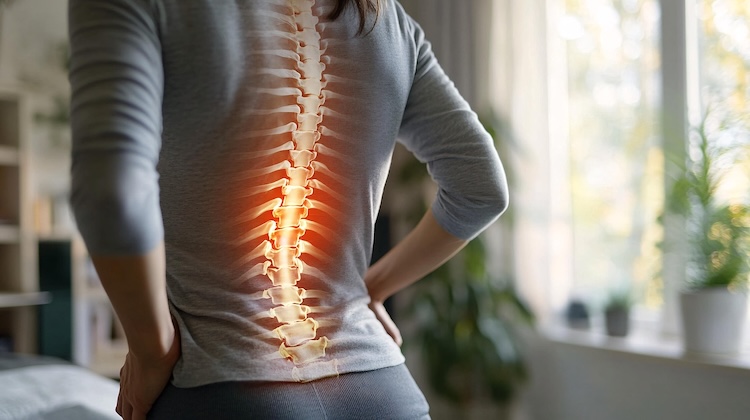
Common Causes of Sciatica and When to Seek Treatment
You bend down to tie a shoe. You stand up, then suddenly feel a sharp pain shoot from your lower back through...
Read More
Understanding Trigger Point Injections for Muscle Pain
A tight muscle can ruin far more than your workout. One stubborn knot can turn driving into a chore, make sleep nearly...
Read More
The Most Common Causes of Wrist and Hand Pain
You reach for your morning coffee, twist a doorknob, or type a quick email. Suddenly, a sharp ache shoots through your wrist....
Read More