Schedule
  Get Directions
 Contact Us
Common Causes of Sciatica and When to Seek Treatment
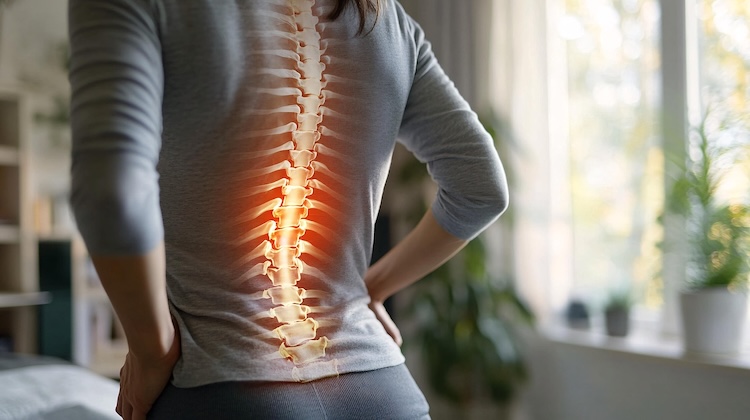
You bend down to tie a shoe. You stand up, then suddenly feel a sharp pain shoot from your lower back through your hip and down your leg. Your first thought probably won’t involve anatomy. More likely, you’ll wonder, “What just happened?”
You probably have sciatica, where one irritated nerve can turn an ordinary day into an obstacle course. Walking feels awkward. Sitting becomes frustrating. Even laughing or sneezing might earn an uncomfortable reminder that something has gone wrong.
Sciatica affects millions of Americans every year, yet many people misunderstand the condition. Sciatica doesn’t represent a diagnosis on its own. Instead, sciatica signals an underlying problem that places pressure on the sciatic nerve.
At Spine and Pain Specialty Care, Dr. Edward Shen helps patients throughout Elizabeth, Union County, and Northern New Jersey uncover the common causes of sciatica and find lasting relief through personalized, non-surgical pain management. Before assuming the pain will disappear on its own, understanding the source can help protect your long-term spinal health.
What is Sciatica?
The sciatic nerve holds the title of the body’s largest nerve. Beginning in the lower spine, the nerve branches through the hips and buttocks before traveling down each leg to the feet.
When inflammation, compression, or irritation affects the sciatic nerve, pain often follows along that entire pathway. Many patients describe the discomfort as:
- Sharp or shooting pain
- Burning sensations
- Tingling or “pins and needles”
- Numbness
- Muscle weakness
- Pain that worsens while sitting
- Pain radiating into one leg
Some people experience mild discomfort. Others struggle to walk, sleep, drive, or perform everyday activities.
The Most Common Causes of Sciatica
Several spinal conditions can irritate or compress the sciatic nerve. Finding the exact cause allows a pain management specialist to recommend the most effective treatment.
Herniated Disc
A herniated disc ranks among the most common causes of sciatica.
Spinal discs act like cushions between the vertebrae. Over time or after an injury, the soft center of a disc may push through the tougher outer layer. That bulging material can press directly against nearby nerve roots that eventually form the sciatic nerve.
Many patients notice:
- Lower back pain
- Pain traveling down one leg
- Tingling in the foot
- Muscle weakness
Fortunately, many herniated discs respond well to conservative treatment without surgery.
Degenerative Disc Disease
Aging affects every part of the body, including the spine. Over time, spinal discs lose hydration and flexibility. Less cushioning allows surrounding bones and joints to place greater pressure on nearby nerves. Degenerative disc disease often develops gradually, making symptoms easy to overlook until nerve pain becomes persistent.
Chronic orthopedic pain frequently accompanies this condition, especially among older adults.
Spinal Stenosis
Spinal stenosis causes narrowing inside the spinal canal, reducing available space for nerve tissue. Pressure on the lumbar nerves often leads to sciatic nerve pain. Many patients notice symptoms while walking longer distances. Sitting or leaning forward often brings temporary relief.
Bone Spurs
Bone spurs develop as the spine responds to arthritis and years of normal wear. Although the body creates these extra pieces of bone as a protective response, the additional growth may crowd nearby nerves. Even a small amount of pressure can trigger significant leg pain.
Piriformis Syndrome
Not every case of sciatica starts inside the spine. The piriformis muscle sits deep within the buttock. Tightness, inflammation, or muscle spasms can compress the sciatic nerve as the nerve passes nearby. Athletes, runners, cyclists, and people with prolonged sitting habits commonly develop piriformis syndrome.
Spondylolisthesis
Sometimes one vertebra slips forward over another. This spinal instability may narrow the openings where nerves exit the spine, leading to sciatic nerve irritation. Some patients develop symptoms gradually, while others notice pain after an injury or repetitive physical activity.
Injury or Trauma
Car accidents, falls, sports injuries, or heavy lifting can damage muscles, joints, ligaments, discs, or vertebrae. Inflammation after trauma often places temporary or long-term pressure on the sciatic nerve. Prompt evaluation helps prevent lingering complications.
Risk Factors That Increase Your Chances of Sciatica
Certain factors raise the likelihood of developing sciatic nerve pain.
Common risk factors include:
- Aging
- Poor posture
- Obesity
- Repetitive lifting
- Sedentary lifestyles
- Smoking
- Diabetes
- Occupations involving prolonged sitting or driving
Many of these factors remain manageable through healthy lifestyle changes and early medical care.
When Sciatica Signals Something More Serious
Not every episode of sciatica requires immediate treatment. However, certain symptoms deserve prompt medical attention.
Schedule an evaluation if you experience:
- Pain lasting several weeks
- Progressive muscle weakness
- Significant numbness
- Difficulty walking
- Pain that continues despite rest
- Severe lower back pain with leg weakness
Seek emergency medical care immediately if symptoms include loss of bowel or bladder control or numbness around the groin. Those warning signs may indicate cauda equina syndrome, a rare but serious medical emergency.
How a Pain Management Specialist Diagnoses Sciatica
Successful treatment begins with an accurate diagnosis from a pain-management specialist. Dr. Edward Shen performs a comprehensive evaluation that may include:
- Medical history review
- Physical examination
- Neurological testing
- Range of motion assessment
- Imaging studies such as MRI or X-rays when appropriate
Rather than treating symptoms alone, Dr. Shen focuses on identifying the underlying cause of sciatica to create a personalized treatment plan.
Non-Surgical Treatments for Sciatica
Many patients worry that surgery represents the only solution. Fortunately, surgery rarely serves as the first recommendation. Most people improve through conservative care and minimally invasive procedures.
Depending on the diagnosis, treatment may include:
Physical Therapy
Targeted exercises improve flexibility, strengthen supporting muscles, and reduce pressure on irritated nerves.
Medication Management
Anti-inflammatory medications or other carefully selected therapies can help control pain while healing progresses.
Epidural Steroid Injections
Image-guided epidural steroid injections deliver medication directly around irritated nerves, helping reduce inflammation and improve function.
Selective Nerve Root Blocks
These minimally invasive injections help both diagnose and treat specific nerve irritation.
Facet Joint Injections
When spinal arthritis contributes to chronic orthopedic pain, facet injections may provide meaningful relief.
Radiofrequency Ablation
Patients with certain forms of chronic back pain may benefit from radiofrequency ablation. This minimally invasive procedure interrupts pain signals while preserving surrounding tissue.
Regenerative Medicine
In select cases, regenerative medicine therapies may support healing and reduce pain while helping patients avoid more invasive procedures.
Every patient responds differently. Dr. Shen develops individualized treatment plans based on each person’s condition, symptoms, lifestyle, and goals.
Find Sciatica Relief in Elizabeth, NJ
Sciatica doesn’t have to control your schedule, your sleep, or your favorite activities. Whether your symptoms stem from a herniated disc, spinal stenosis, degenerative disc disease, or another spinal condition, effective treatment starts with an accurate diagnosis.
At Spine and Pain Specialty Care, Dr. Edward Shen provides personalized, non-surgical pain management for patients experiencing sciatica, chronic orthopedic pain, and other spine-related conditions throughout Elizabeth, Union, Springfield, Cranford, Clark, Linden, Rahway, Roselle, Roselle Park, Hillside, Newark, Kenilworth, Carteret, Westfield, and surrounding Northern New Jersey communities.
Don’t wait for sciatic nerve pain to become a permanent part of your life. Call Spine and Pain Specialty Care today at (908) 818-1600 to schedule a consultation and learn how minimally invasive treatments can help you get back to living with greater comfort and confidence.
DISCLAIMER: This content is educational and not a substitute for personalized medical advice.

Understanding Trigger Point Injections for Muscle Pain
A tight muscle can ruin far more than your workout. One stubborn knot can turn driving into a chore, make sleep nearly...
Read More
The Most Common Causes of Wrist and Hand Pain
You reach for your morning coffee, twist a doorknob, or type a quick email. Suddenly, a sharp ache shoots through your wrist....
Read More
Why You Shouldn’t Ignore Persistent Hip Pain
Hip pain has a sneaky personality. One day, discomfort pops up after a long walk. A week later, climbing stairs feels harder....
Read More