Schedule
  Get Directions
 Contact Us
Why Your Back Pain Keeps Coming Back: Common Causes and Non-Surgical Treatment Options
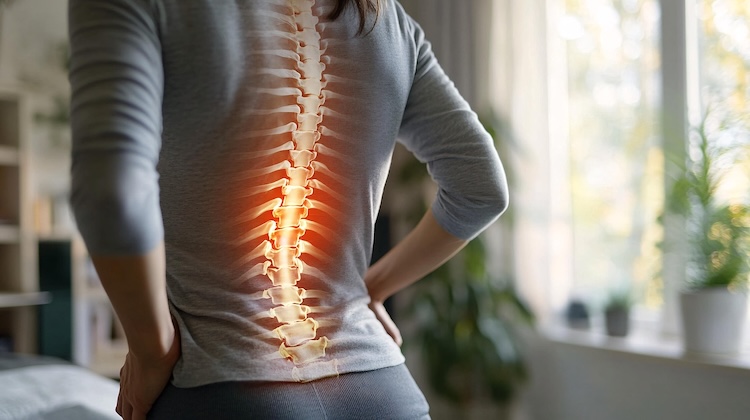
You stretched. You rested. You swapped your office chair for one with enough adjustments to launch a spaceship. For a few days, your back felt better. Then, without warning, the familiar ache returned.
Recurring back pain often follows that frustrating pattern. A few good days create hope, followed by another painful flare-up that interrupts work, exercise, family time, or even a good night’s sleep. Instead of accepting that cycle as “just part of getting older,” consider a different possibility. An underlying condition may continue to trigger pain.
Why Does Back Pain Keep Coming Back?
Recurring back pain rarely happens by chance. Most cases develop because an underlying problem never fully heals or continues to worsen over time.
A pulled muscle may improve within a few weeks. Chronic back pain often points toward irritated nerves, damaged discs, inflamed joints, or gradual wear within the spine. Every time those structures experience stress, symptoms return.
The American College of Physicians recommends beginning with conservative treatments for many types of chronic low back pain before considering surgery. Early evaluation also helps identify conditions that may require more specialized care.
Common Causes of Recurring Back Pain
Several chronic orthopedic conditions frequently cause back pain that keeps coming back.
Herniated or Bulging Discs
Spinal discs cushion each vertebra. Age, repetitive movement, or injury can weaken those discs, allowing material to press against nearby nerves.
Common symptoms include:
- Lower back pain
- Pain traveling into the leg
- Numbness
- Tingling
- Muscle weakness
Many people assume every flare-up signals a new injury. More often, everyday activities simply irritate an existing disc problem.
Degenerative Disc Disease
Despite the name, degenerative disc disease does not represent a disease in the traditional sense. Natural aging gradually changes spinal discs, reducing flexibility and shock absorption.
Those changes can lead to:
- Persistent lower back pain
- Morning stiffness
- Pain after prolonged sitting
- Pain during bending or lifting
Without proper management, discomfort often becomes more frequent.
Facet Joint Arthritis
Small joints along the back of the spine guide movement. Arthritis can inflame those joints, causing localized pain that worsens during twisting, standing, or leaning backward.
Many patients mistake arthritis pain for muscle soreness until symptoms continue for months.
Sciatica
Sciatica develops when irritation affects the sciatic nerve. Instead of remaining in the back, pain may travel through the buttock, thigh, calf, or foot.
Many patients describe burning, electric, or shooting sensations that return after prolonged sitting or driving.
Spinal Stenosis
Spinal stenosis narrows spaces around spinal nerves, placing pressure on surrounding structures.
Many adults notice:
- Pain while walking
- Leg weakness
- Numbness
- Relief after sitting or leaning forward
Symptoms often worsen gradually rather than appearing overnight.
Sacroiliac Joint Dysfunction
The sacroiliac joints connect the spine to the pelvis. Inflammation or instability within those joints can create pain that mimics sciatica or lower back strain.
Because symptoms overlap with several other conditions, an accurate diagnosis becomes especially important.
Everyday Habits Can Trigger Repeat Flare-Ups
A chronic spinal condition often lays the foundation for recurring pain. Daily habits may continue adding fuel to the fire.
Common contributors include:
- Poor posture
- Weak core muscles
- Long hours behind a desk
- Repetitive lifting
- Excess body weight
- Smoking
- Limited physical activity
- Improper lifting techniques
Picture a loose screw on a kitchen cabinet. Slamming the door every day speeds up the problem. Gentle use slows the damage. Your spine responds much the same way.
Small changes performed consistently often reduce stress on spinal joints and surrounding muscles.
Non-Surgical Treatments for Chronic Back Pain
Many patients worry that spine problems automatically lead to surgery. Fortunately, many chronic pain conditions respond well to minimally invasive treatments.
Dr. Edward Shen develops personalized treatment plans based on each patient’s diagnosis, symptoms, medical history, and goals.
Treatment options may include:
Epidural Steroid Injections
Image-guided epidural injections reduce inflammation around irritated spinal nerves, often improving pain caused by herniated discs, spinal stenosis, or sciatica.
Facet Joint Injections
Inflamed facet joints frequently cause chronic lower back pain. Targeted injections can calm inflammation while helping confirm the exact pain source.
Medial Branch Blocks
Medial branch blocks temporarily numb nerves supplying painful facet joints. Successful results often help determine whether radiofrequency ablation could provide longer-lasting relief.
Radiofrequency Ablation
Radiofrequency ablation uses controlled heat to interrupt pain signals from targeted nerves. Many patients experience lasting relief following the procedure.
Regenerative Medicine
For selected patients, regenerative medicine techniques such as platelet-rich plasma (PRP) therapy may support the body’s natural healing response. Treatment recommendations depend on the underlying diagnosis and individual health factors.
Lifestyle and Rehabilitation
Long-term improvement often combines minimally invasive procedures with:
- Physical therapy
- Stretching programs
- Strengthening exercises
- Weight management
- Ergonomic improvements
- Activity modification
Together, those strategies help reduce future flare-ups while improving mobility and function.
Don’t Ignore Chronic Orthopedic Pain
Back pain serves as more than an inconvenience. Persistent symptoms often represent your body’s way of asking for attention. Ignoring recurring pain can allow inflammation, nerve irritation, or joint damage to progress. Early treatment often improves comfort, protects mobility, and supports long-term spinal health.
Whether symptoms stem from arthritis, spinal stenosis, a herniated disc, sciatica, or another chronic orthopedic condition, an accurate diagnosis creates the foundation for effective treatment.
Find Lasting Back Pain Relief in Elizabeth, NJ
Recurring back pain should not control your schedule, your hobbies, or your quality of life.
If chronic back pain keeps returning, Dr. Edward Shen and the team at Spine and Pain Specialty Care can help uncover the cause and recommend personalized, non-surgical treatment options. Patients throughout Elizabeth, Newark, Union, Cranford, Springfield, Linden, Rahway, Clark, Roselle, Roselle Park, Hillside, Kenilworth, Westfield, and communities across Northern New Jersey trust the practice for compassionate, minimally invasive pain management.
Call Spine and Pain Specialty Care today at (908) 818-1600 to schedule your consultation and take the first step toward lasting relief.
DISCLAIMER: This content is educational and not a substitute for personalized medical advice.
5 Everyday Habits That Could Be Secretly Causing Your Joint Pain
Joint pain rarely appears overnight. More often, discomfort sneaks into daily life after weeks, months, or even years of small habits that...
Read More
Common Causes of Sciatica and When to Seek Treatment
You bend down to tie a shoe. You stand up, then suddenly feel a sharp pain shoot from your lower back through...
Read More
Understanding Trigger Point Injections for Muscle Pain
A tight muscle can ruin far more than your workout. One stubborn knot can turn driving into a chore, make sleep nearly...
Read More