Schedule
  Get Directions
 Contact Us
5 Everyday Habits That Could Be Secretly Causing Your Joint Pain
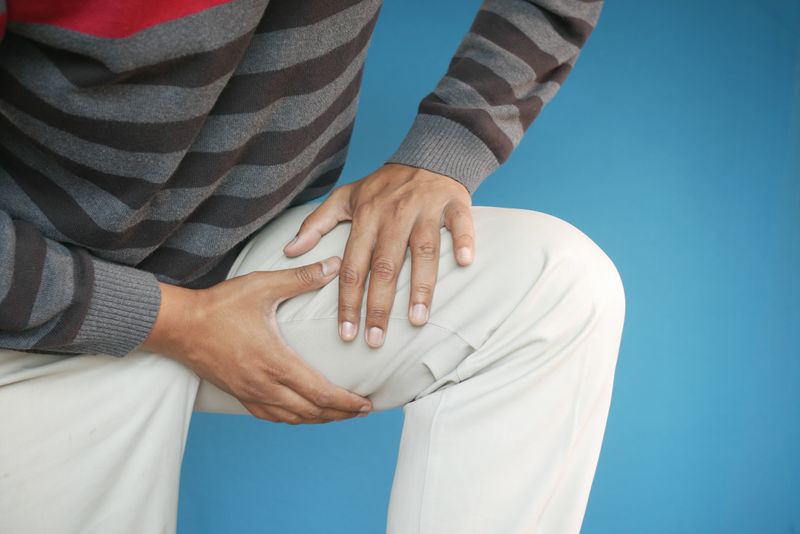
Joint pain rarely appears overnight. More often, discomfort sneaks into daily life after weeks, months, or even years of small habits that slowly place extra stress on your body. One morning, your knees protest during a trip downstairs. A shoulder aches after reaching for the coffee mug. Your hips feel stiff after a long drive through Union County. Suddenly, simple movements no longer feel so simple.
Many people assume aging deserves all the blame. Age certainly plays a role, but everyday choices often contribute just as much. The good news? Recognizing those habits early can help reduce inflammation, protect your joints, and lower your risk of developing chronic orthopedic pain.
Below, we’ll cover five common habits that quietly contribute to joint pain, explain why those habits matter, and discuss when professional care may help. If pain continues despite lifestyle changes, a pain management specialist can identify the underlying cause and recommend non-surgical or minimally invasive treatment options that restore comfort and mobility.
Why Everyday Habits Matter More Than You Think
Every joint works like a carefully engineered machine. Cartilage cushions movement, ligaments provide stability, tendons transfer force, and muscles support every step, lift, and twist. Healthy movement spreads pressure evenly across those structures.
Poor movement patterns change that balance. Extra stress builds inside one area while another weakens. Over time, repeated strain can contribute to inflammation, cartilage wear, tendon irritation, arthritis, or other chronic orthopedic conditions.
Fortunately, small adjustments often produce meaningful improvements before lasting damage develops.
1. Sitting for Hours Without Moving
Many jobs involve long hours behind a desk. Add streaming shows, scrolling social media, or commuting across northern New Jersey, and sitting quickly dominates the day.
Your joints appreciate movement. Long periods of inactivity allow muscles around the hips, knees, and lower back to tighten. Blood flow slows, joints stiffen, and supportive muscles gradually weaken. Standing after several hours often produces the familiar “grandparent groan,” regardless of age.
Extended sitting also places sustained pressure on the lumbar spine and hips, increasing discomfort for people living with chronic back pain or hip pain.
What helps?
- Stand every 30 to 60 minutes.
- Take short walking breaks throughout the day.
- Stretch your hip flexors and hamstrings regularly.
- Consider a sit-to-stand workstation.
Small movement breaks throughout the day often protect joints better than one intense workout after eight hours of sitting.
2. Poor Posture Throughout the Day
Your mother probably reminded you to sit up straight. As usual, she had a point. Slouching while working, looking down at a smartphone, or hunching over a laptop will change how your muscles support your neck, shoulders, spine, and hips. Those positions increase stress on surrounding joints while forcing certain muscles to work overtime.
Over time, poor posture may contribute to:
- Chronic neck pain
- Shoulder pain
- Upper back pain
- Lower back pain
- Headaches related to muscle tension
Poor posture rarely causes immediate injury. Instead, repetitive strain gradually creates inflammation and discomfort.
What helps?
Adjust your computer monitor to eye level. Keep shoulders relaxed instead of rounded forward. Hold your phone closer to eye level rather than bending your neck downward. Your spine will appreciate the upgrade.
3. Wearing Unsupportive Shoes
Fashion certainly matters. Your knees, however, care very little about designer labels. Shoes without adequate support change the way your feet contact the ground. That altered alignment affects your ankles, knees, hips, and lower back with every step. Over thousands of daily steps, small changes create significant cumulative stress.
High heels, worn-out sneakers, flip-flops, and shoes lacking arch support often contribute to joint discomfort, particularly for people who spend long hours standing.
Residents throughout Elizabeth, NJ, Linden, Union, Rahway, and Newark frequently work in healthcare, education, retail, manufacturing, and service industries where standing remains unavoidable. Proper footwear becomes even more important under those conditions.
What helps?
Choose shoes that provide:
- Good arch support
- Stable cushioning
- Proper fit
- Adequate shock absorption
Replacing worn shoes before the soles completely flatten can also reduce unnecessary joint stress.
4. Ignoring Minor Joint Pain
Many people treat joint pain like an annoying car dashboard light. Cover the warning, hope for the best, and continue driving. Unfortunately, your joints do not respond well to that strategy.
Pain serves as your body’s early warning system. Persistent discomfort may signal inflammation, tendon injuries, arthritis, bursitis, cartilage damage, or repetitive stress injuries. Continuing normal activities without addressing the problem often allows minor issues to become chronic orthopedic pain conditions.
Early evaluation often leads to simpler treatment and faster recovery.
When should you seek medical care?
Consider scheduling an evaluation if joint pain:
- Lasts longer than several weeks
- Returns repeatedly
- Limits daily activities
- Causes swelling or stiffness
- Worsens over time
- Interferes with sleep
Prompt evaluation can help identify the underlying cause before symptoms progress.
5. Skipping Strength and Mobility Exercises
Many people believe cardio alone provides enough exercise. Walking certainly benefits overall health, but joints also depend on strong muscles for support. Weak muscles force joints to absorb greater impact during everyday movement. Reduced flexibility compounds the problem by limiting normal range of motion.
Balanced strength training helps support:
- Knees
- Hips
- Shoulders
- Spine
- Ankles
Mobility exercises improve flexibility while encouraging smoother movement patterns. Together, strength and mobility reduce unnecessary stress across multiple joints.
What helps?
Aim for regular resistance training two or three times each week. Include stretching and mobility work several days each week. Even modest improvements in muscle strength can significantly reduce joint strain.
When Joint Pain Signals Something More Serious
Lifestyle changes often help mild discomfort. Persistent or worsening pain deserves professional attention.
Chronic joint pain may develop from conditions such as:
- Osteoarthritis
- Tendinitis
- Bursitis
- Sacroiliac joint dysfunction
- Degenerative joint disease
- Chronic knee pain
- Chronic hip pain
- Chronic shoulder pain
- Spine-related conditions causing referred pain
Accurate diagnosis allows physicians to create targeted treatment plans instead of relying on temporary symptom relief.
Non-Surgical Treatment Options for Chronic Joint Pain
Many patients assume surgery represents the only solution for chronic joint pain. Fortunately, modern pain management offers several effective alternatives.
At Spine and Pain Specialty Care, treatment begins with a thorough evaluation to identify the true source of pain. From there, Dr. Edward Shen develops individualized treatment plans designed to improve function while reducing discomfort.
Depending on each patient’s condition, treatment may include:
- Image-guided joint injections
- Corticosteroid injections
- Radiofrequency ablation
- Regenerative medicine when appropriate
- Physical rehabilitation recommendations
- Comprehensive pain management strategies
- Other minimally invasive procedures designed to relieve chronic orthopedic pain without major surgery
Whenever possible, conservative care remains the main priority.
Take the First Step Toward Lasting Relief
Changing a few daily habits can reduce stress on your joints, but persistent pain deserves expert attention. If chronic joint pain limits your lifestyle or continues despite your best efforts, the team at Spine and Pain Specialty Care can help identify the underlying cause and develop a personalized treatment plan focused on long-term relief.
To schedule a consultation with Dr. Edward Shen, call Spine and Pain Specialty Care today at (908) 818-1600. Discover how advanced, non-surgical, and minimally invasive pain management can help you move more comfortably and get back to the activities you enjoy most.
DISCLAIMER: This content is educational and not a substitute for personalized medical advice.
Why Your Back Pain Keeps Coming Back: Common Causes and Non-Surgical Treatment Options
You stretched. You rested. You swapped your office chair for one with enough adjustments to launch a spaceship. For a few days,...
Read More
Common Causes of Sciatica and When to Seek Treatment
You bend down to tie a shoe. You stand up, then suddenly feel a sharp pain shoot from your lower back through...
Read More
Understanding Trigger Point Injections for Muscle Pain
A tight muscle can ruin far more than your workout. One stubborn knot can turn driving into a chore, make sleep nearly...
Read More