Schedule
  Get Directions
 Contact Us
The Most Common Causes of Elbow Joint Pain
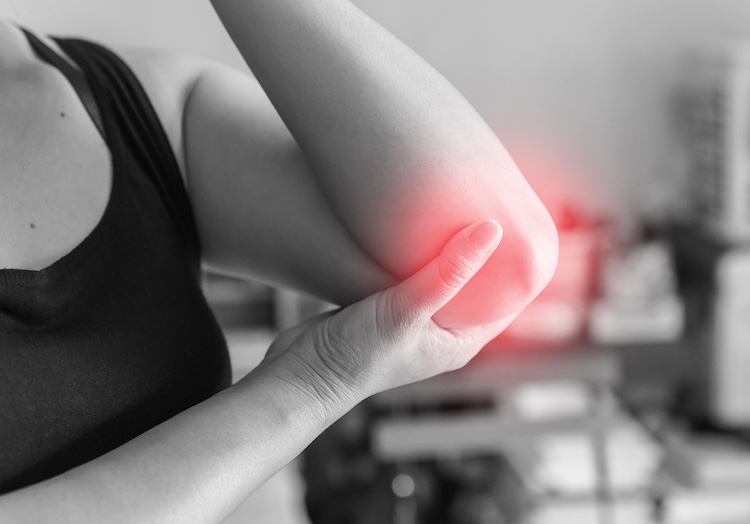
Your elbow performs more daily heroics than anyone gives credit for. Coffee mugs, steering wheels, grocery bags, pickleball paddles, laptop typing, hair brushing, door opening, texting, waving, fork lifting, dramatic “I told you so” gestures, your elbow handles the whole production.
So, when elbow joint pain shows up, life can suddenly feel oddly complicated. A simple handshake can feel suspicious. Lifting a pan can feel like a gym challenge nobody signed up for. Even leaning on a desk can deliver a tiny lightning bolt that makes you question every life choice that led to that moment.
Elbow pain can come from many sources, including tendons, ligaments, nerves, cartilage, bones, bursae, and nearby joints. Some cases fade with rest and smart activity changes. Other cases linger because chronic orthopedic pain conditions, nerve irritation, arthritis, or repetitive stress keep feeding the fire.
For patients in Elizabeth, Union, Linden, Roselle, Hillside, Cranford, Westfield, Springfield, and surrounding northern New Jersey communities, Dr. Edward Shen at Spine and Pain Specialty Care helps diagnose the source of elbow pain and build non-surgical treatment plans focused on relief, function, and long-term mobility.
Why Does Elbow Joint Pain Happen?
The elbow may look simple, but this joint runs a surprisingly complex operation. Three bones meet at the elbow: the humerus in the upper arm, plus the radius and ulna in the forearm. Muscles and tendons move the wrist, hand, and fingers. Ligaments stabilize the joint. Nerves travel through tight spaces around the elbow. A small fluid-filled sac, called a bursa, helps reduce friction near the bony tip.
When one part becomes irritated, inflamed, compressed, torn, or worn down, elbow pain can follow.
Common symptoms may include:
- Pain on the inside or outside of the elbow
- Tenderness near the bony bumps of the elbow
- Stiffness or reduced range of motion
- Swelling or warmth around the joint
- Weak grip strength
- Numbness or tingling into the ring and pinky fingers
- Pain while lifting, twisting, gripping, or bending the arm
- Pain that continues for weeks or keeps returning
Elbow pain can affect athletes, office workers, construction professionals, healthcare workers, drivers, parents, musicians, and anyone whose arm has logged many miles. In other words, your elbow does not check your résumé before causing trouble.
1. Tennis Elbow
Tennis elbow, also called lateral epicondylitis, ranks among the most common causes of elbow pain. Despite the name, tennis elbow does not require tennis. Your elbow will gladly accept pickleball, painting, plumbing, cooking, typing, weightlifting, gardening, or any repetitive wrist and forearm motion as a worthy substitute.
Tennis elbow causes pain on the outside of the elbow. The condition develops when repeated stress irritates or damages the tendons that attach forearm muscles to the outer elbow.
Common signs of tennis elbow include:
- Pain or burning on the outside of the elbow
- Weak grip strength
- Pain when lifting a coffee cup, gripping tools, turning a doorknob, or shaking hands
- Tenderness around the outer bony bump of the elbow
- Symptoms that worsen with repetitive use
For many patients, tennis elbow begins as a small annoyance. Over time, chronic elbow pain can affect work, exercise, hobbies, and daily routines. Non-surgical elbow pain treatment often starts with activity modification, bracing, physical therapy, anti-inflammatory strategies, and image-guided injections when appropriate.
2. Golfer’s Elbow
Golfer’s elbow, also called medial epicondylitis, causes pain on the inside of the elbow. Again, golf does not hold exclusive rights. Any activity that involves repetitive gripping, wrist flexion, throwing, or lifting can irritate the tendons along the inner elbow.
Patients with golfer’s elbow may notice:
- Pain on the inside of the elbow
- Tenderness near the inner bony bump
- Pain while gripping, lifting, or twisting the wrist
- Stiffness in the elbow
- Weakness in the hand or wrist
Golfers, baseball players, tennis players, weightlifters, landscapers, carpenters, electricians, and office workers can develop this condition. The common thread involves repeated stress through the forearm tendons.
A pain management specialist can evaluate whether inner elbow pain comes from golfer’s elbow, nerve compression, arthritis, or another orthopedic pain condition. That distinction matters because every cause needs a targeted plan.
3. Elbow Arthritis
Elbow arthritis can cause chronic joint pain, stiffness, swelling, grinding sensations, and reduced motion. Osteoarthritis develops from wear and tear in the joint cartilage. Rheumatoid arthritis and other inflammatory forms of arthritis can also affect the elbow.
Elbow arthritis may cause:
- Deep aching pain inside the joint
- Morning stiffness
- Swelling or warmth
- Trouble fully bending or straightening the elbow
- Clicking, catching, or grinding
- Pain that worsens after activity
Many patients picture arthritis as a knee or hip problem, but elbows can join the “aches and pains committee” too. Prior injuries, repetitive stress, inflammatory disease, and age-related changes may all contribute.
Non-surgical arthritis pain management may include exercise guidance, physical therapy, lifestyle modifications, medication management, bracing, and injections that help calm inflammation and improve function.
4. Elbow Bursitis
Elbow bursitis affects the small fluid-filled sac near the bony tip of the elbow. When the bursa becomes irritated or inflamed, swelling can form at the back of the elbow.
Elbow bursitis may develop after:
- A direct blow to the elbow
- Repeated pressure from leaning on hard surfaces
- Inflammatory arthritis
- Infection
- Repetitive irritation
Symptoms may include swelling, tenderness, warmth, redness, and pain when bending or leaning on the elbow. Some patients describe the swelling as a small balloon or golf ball at the elbow tip. Not exactly the accessory anyone wanted.
Mild bursitis may improve with rest, padding, ice, and anti-inflammatory care. More persistent or severe swelling may need medical evaluation. If infection could play a role, prompt care matters.
5. Tendinitis and Repetitive Strain Injuries
Tendinitis develops when tendons become irritated from overuse, poor mechanics, or repetitive strain. Around the elbow, tendinitis often overlaps with tennis elbow or golfer’s elbow, but other tendons can also cause symptoms.
Repetitive strain injuries often affect people who perform the same motions day after day. Computer work, manual labor, assembly work, lifting, sports, and household projects can all contribute.
Symptoms may include:
- Aching pain during activity
- Tenderness around the tendon
- Pain that improves with rest but returns with use
- Weakness or fatigue in the forearm
- Stiffness after inactivity
Ignoring tendon pain rarely earns anyone a medal. Tendons often need time, improved mechanics, controlled strengthening, and sometimes minimally invasive pain management options to calm stubborn inflammation or degeneration.
6. Cubital Tunnel Syndrome and Ulnar Nerve Compression
That “funny bone” sensation does not come from a bone. The ulnar nerve creates that electric zing when bumped near the elbow. When that nerve becomes compressed or irritated, cubital tunnel syndrome can develop.
Cubital tunnel syndrome may cause:
- Numbness or tingling in the ring and pinky fingers
- Burning or electric pain near the elbow
- Hand weakness
- Symptoms that worsen when the elbow stays bent
- Symptoms that flare while driving, sleeping, or holding a phone
Nerve-related elbow pain deserves careful evaluation. A patient may think the elbow joint causes the problem, while the true source involves nerve compression. A pain management specialist can help determine whether symptoms come from the elbow, wrist, neck, or another source.
7. Sprains, Strains, and Ligament Injuries
A fall, sports injury, sudden twist, or heavy lift can strain muscles or sprain ligaments around the elbow. These injuries may happen during exercise, work, home projects, or the classic “I can carry every grocery bag in one trip” challenge.
Symptoms may include:
- Sudden pain after an injury
- Swelling or bruising
- Instability
- Pain with movement
- Weakness
- Limited motion
Mild sprains and strains may improve with conservative care. Severe pain, deformity, major swelling, numbness, or inability to move the arm should prompt medical evaluation.
8. Fractures and Dislocations
Fractures and dislocations usually cause more obvious pain after trauma. A fall onto an outstretched hand, direct blow, sports collision, or car accident can injure the bones of the elbow.
Warning signs may include:
- Severe pain after an injury
- Visible deformity
- Major swelling or bruising
- Inability to bend or straighten the elbow
- Numbness, tingling, or weakness
- Pain that prevents normal arm use
These injuries need prompt medical care. While Spine and Pain Specialty Care focuses on non-surgical and minimally invasive pain management, accurate diagnosis matters first. Some traumatic injuries require urgent orthopedic evaluation.
9. Referred Pain from the Neck or Shoulder
Sometimes elbow pain does not start in the elbow at all. Nerve irritation in the neck, shoulder problems, or upper back issues can send pain down the arm.
Referred pain may cause:
- Neck pain with arm symptoms
- Pain that travels from the shoulder or neck toward the elbow
- Numbness or tingling
- Weakness in the arm or hand
- Symptoms that change with neck position
This scenario can frustrate patients because rubbing the elbow never solves the real problem. A comprehensive pain evaluation can help identify whether the elbow joint, cervical spine, nerves, or shoulder drives symptoms.
10. Chronic Orthopedic Pain Conditions
Chronic elbow pain often develops when inflammation, tendon degeneration, arthritis, nerve irritation, or repetitive stress continues for months. Patients may notice symptoms that fade, flare, and return without fully resolving.
Chronic orthopedic pain conditions can affect daily life in subtle and not-so-subtle ways. Typing takes longer. Workouts feel limited. Sleep gets interrupted. Hobbies become negotiations. Even a simple bag of groceries starts acting like a personal trainer with poor boundaries.
Common chronic pain contributors include:
- Tendon degeneration
- Osteoarthritis
- Inflammatory arthritis
- Nerve compression
- Repetitive strain injuries
- Prior trauma
- Poor joint mechanics
- Muscle weakness or imbalance
Chronic pain does not mean “nothing can help.” Many patients benefit from a structured, non-surgical treatment plan that targets the underlying source instead of masking symptoms alone.
When Should You See a Pain Management Specialist for Elbow Pain?
A little soreness after a busy day may not require panic. However, persistent elbow joint pain deserves attention when symptoms interfere with daily life.
Schedule an evaluation if you notice:
- Elbow pain lasting more than one to two weeks
- Pain that keeps returning
- Swelling, warmth, or redness
- Numbness or tingling in the hand or fingers
- Weak grip strength
- Pain after a fall or injury
- Trouble bending or straightening the elbow
- Pain that affects work, sleep, exercise, or normal activities
Patients in Elizabeth, Union County, and northern New Jersey do not need to wait until elbow pain takes over every routine. Early diagnosis can help prevent a small problem from becoming a long-running drama.
Non-Surgical Treatment Options for Elbow Joint Pain
Many causes of elbow pain respond well to conservative, non-surgical care. Dr. Edward Shen focuses on identifying the source of pain and creating a treatment plan that fits each patient’s symptoms, lifestyle, and goals.
Depending on the diagnosis, treatment may include:
Activity Modification
Small changes to work habits, exercise form, sports technique, or household routines can reduce strain on irritated tissues. A patient may need temporary rest from specific movements, not a permanent breakup with favorite activities.
Physical Therapy and Targeted Exercise
Physical therapy can strengthen the muscles around the elbow, improve flexibility, support tendon healing, and reduce strain. Controlled movement often helps more than total rest for many chronic orthopedic pain conditions.
Bracing or Support
A brace, strap, or splint may reduce stress on irritated tendons or nerves. Tennis elbow straps, wrist braces, and nighttime elbow positioning may help certain patients.
Medication Management
Anti-inflammatory medications or other pain-relieving strategies may help control symptoms. A physician should guide medication use, especially for patients with other medical conditions.
Cortisone Injections
Cortisone injections can help reduce inflammation, swelling, and pain in certain elbow conditions. These injections may help bursitis, arthritis, or inflammatory flare-ups when appropriate. A careful evaluation helps determine whether cortisone fits the diagnosis and long-term plan.
Image-Guided Injections
Ultrasound-guided injections or other image-guided techniques can help deliver treatment to a precise location. Precision matters when the target includes small joints, irritated tendons, bursae, or inflamed soft tissue.
Regenerative Medicine and PRP Therapy
Regenerative medicine, including platelet-rich plasma therapy, may help certain tendon-related orthopedic pain conditions. PRP uses a concentrated portion of a patient’s own blood components to support healing in targeted tissues. Some patients with chronic tendon pain, including tennis elbow, may discuss PRP therapy as part of a non-surgical treatment plan.
Minimally Invasive Pain Management
For chronic elbow pain, minimally invasive pain management may help reduce symptoms without major surgery. The best option depends on the cause of pain, exam findings, imaging results, and prior treatment history.
Don’t Let Elbow Pain Keep Calling the Shots
Your elbow may not have a glamorous job, but daily life depends on that hard-working joint. When chronic elbow pain starts interfering with work, sleep, exercise, or simple routines, expert care can make a meaningful difference.
Dr. Edward Shen and Spine and Pain Specialty Care provide non-surgical and minimally invasive pain management options for patients in Elizabeth, NJ, Union County, and surrounding northern New Jersey communities.
Call Spine and Pain Specialty Care today at (908) 818-1600 to schedule an evaluation and take the next step toward lasting elbow pain relief.
DISCLAIMER: This content is educational and not a substitute for personalized medical advice.

Understanding Trigger Point Injections for Muscle Pain
A tight muscle can ruin far more than your workout. One stubborn knot can turn driving into a chore, make sleep nearly...
Read More
Signs Your Joint Pain May Require Medical Attention: When to See a Pain Specialist
A little soreness after helping a friend move? No surprise. Aching knees after chasing grandchildren through the park? Understandable. But when a...
Read More
The Difference Between Muscle Pain and Nerve Pain
Pain has a funny way of grabbing attention. Sometimes discomfort feels like a dull ache after a weekend of yard work. Other...
Read More