Schedule
  Get Directions
 Contact Us
The Most Effective Non-Surgical Treatments for Back Pain
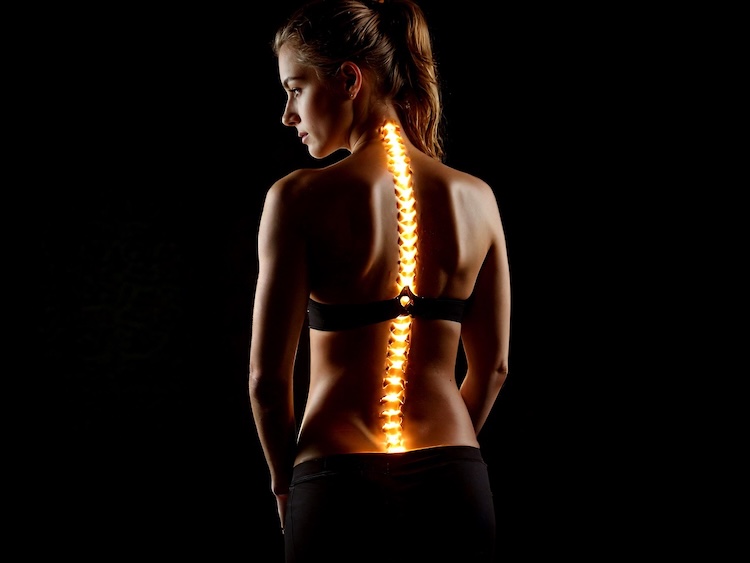
Back pain has a special talent for ruining simple activities. One minute, you reach for a sock. The next minute, your lower back sends a dramatic memo to the rest of your body: “Absolutely not.” Suddenly, tying shoes, driving, sitting, standing, and unloading the dishwasher feel like events in a very unfair obstacle course.
Back pain can come from muscle strain, herniated discs, spinal stenosis, sciatica, degenerative disc disease, facet joint pain, sacroiliac joint dysfunction, arthritis, or nerve irritation. Some pain improves with time and movement. Persistent or recurring pain often needs a more targeted plan.
Luckily, back pain does not always require surgery.
Many patients find relief through non-surgical treatments for back pain, including physical therapy, medication management, image-guided injections, nerve blocks, radiofrequency ablation, regenerative medicine, and other minimally invasive pain management options.
Why Non-Surgical Back Pain Treatment Often Comes First
Most patients prefer to avoid back surgery when effective alternatives exist. That preference makes perfect sense. Surgery can involve longer recovery, higher risk, and more disruption to everyday life.
Non-surgical back pain treatment focuses on reducing pain, calming inflammation, improving mobility, and helping patients return to daily activities with less discomfort. Many chronic orthopedic pain conditions respond well to conservative care or minimally invasive procedures.
A pain management doctor may recommend non-surgical care for conditions such as:
- Chronic back pain
- Chronic lower back pain
- Herniated disc symptoms
- Sciatica
- Spinal stenosis
- Degenerative disc disease
- Facet joint pain
- Sacroiliac joint dysfunction
- Lumbar radiculopathy
- Spinal arthritis
- Muscle spasms
- Nerve pain
The best plan depends on the diagnosis, pain pattern, imaging results, medical history, and personal goals.
Physical Therapy and Movement-Based Treatment
Movement often plays a major role in chronic back pain treatment. Bed rest may sound tempting during a flare-up, but too much rest can worsen stiffness and muscle weakness.
Physical therapy helps strengthen the muscles that support the spine. Targeted exercises can improve flexibility, posture, balance, core strength, and movement mechanics. A skilled provider may also teach safer ways to bend, lift, sit, walk, and return to activity.
Physical therapy may help patients with:
- Muscle strain
- Posture-related back pain
- Degenerative disc disease
- Sciatica
- Spinal stenosis
- Chronic lower back pain
- Weak core muscles
- Reduced mobility
A home exercise plan can also help prevent future flare-ups. The spine appreciates consistency. Sadly, the spine cannot be bribed with one stretch every third Tuesday.
Medication Management
Medication can play a helpful role in back pain relief, especially during acute flare-ups. A provider may recommend anti-inflammatory medications, muscle relaxers, nerve pain medications, or other options based on symptoms and overall health.
Medication management should focus on function, safety, and short-term relief when appropriate. Pain medicine alone may not address the underlying source of chronic back pain. A comprehensive plan often combines medication with therapy, activity changes, and targeted procedures.
Patients should always follow a medical provider’s guidance, especially when taking multiple medications or managing other health conditions.
Epidural Steroid Injections for Back Pain
Epidural steroid injections can help reduce inflammation around irritated spinal nerves. These injections often benefit patients with sciatica, herniated discs, spinal stenosis, or lumbar radiculopathy.
During the procedure, a specialist delivers anti-inflammatory medication near the affected nerve roots. Image guidance helps place the medication accurately.
Epidural steroid injections may help patients who experience:
- Lower back pain that travels into the leg
- Sciatica symptoms
- Numbness or tingling
- Pain from a herniated disc
- Pain from spinal stenosis
- Nerve inflammation
These injections do not repair a damaged disc or reverse arthritis. However, reduced inflammation may allow patients to move more comfortably, participate in physical therapy, and avoid more aggressive treatment.
Facet Joint Injections for Spine-Related Pain
Facet joints help the spine bend, twist, and move. These small joints can become painful from arthritis, injury, degeneration, or repeated stress.
Facet joint pain may feel worse during twisting, arching backward, standing, or getting up after sitting. Pain may stay in the lower back, spread into the buttocks, or affect the neck and upper back depending on the location.
Facet joint injections can help diagnose and treat pain from irritated spinal joints. A specialist places medication into or near the painful joint to reduce inflammation and confirm the pain source.
Facet joint injections may help patients with:
- Arthritis-related back pain
- Degenerative spine conditions
- Pain with twisting or extension
- Localized lower back pain
- Chronic neck or back pain linked to spinal joints
Accurate diagnosis matters because back pain can come from several structures at once. Facet injections can help separate the suspects. Think of the spine as a mystery novel, but with less dramatic music and more anatomy.
Nerve Blocks
Nerve blocks target specific nerves that carry pain signals. A pain management specialist may use nerve blocks to diagnose pain sources, provide temporary relief, or help determine whether another treatment could help.
For back pain, nerve blocks may target nerves connected to facet joints, sacroiliac joints, or other painful areas. If a nerve block provides meaningful relief, a specialist may recommend radiofrequency ablation for longer-lasting results.
Nerve blocks may help patients with:
- Facet joint pain
- Sacroiliac joint pain
- Nerve-related back pain
- Chronic pain after injury
- Pain that has not improved with conservative care
Nerve blocks can play an important role in interventional pain management because these procedures help locate pain sources with more precision.
Radiofrequency Ablation for Chronic Back Pain
Radiofrequency ablation uses controlled heat to interrupt pain signals from targeted nerves. This minimally invasive procedure often helps patients with chronic back pain caused by arthritic or irritated spinal joints.
A specialist usually performs diagnostic nerve blocks first. If those blocks provide significant temporary relief, radiofrequency ablation may provide longer-lasting improvement.
Radiofrequency ablation may help patients with:
- Facet joint pain
- Arthritis-related spine pain
- Chronic lower back pain
- Neck pain from spinal joints
- Pain that returns after temporary nerve blocks
Many patients appreciate radiofrequency ablation because the procedure targets pain signals without major surgery. Recovery usually involves minimal downtime compared with surgical treatment.
Sacroiliac Joint Injections
The sacroiliac joints connect the lower spine and pelvis. These joints help transfer weight between the upper body and legs. When inflammation or dysfunction affects the sacroiliac joint, pain may develop in the lower back, buttock, hip, or leg.
Sacroiliac joint pain can mimic sciatica or disc-related symptoms, which makes proper diagnosis important.
Sacroiliac joint injections can help confirm the pain source and reduce inflammation. These injections may help patients with:
- Lower back pain near the pelvis
- Buttock pain
- Hip-area discomfort
- Pain while climbing stairs
- Pain while standing from a chair
- Pain that worsens after prolonged sitting or standing
A targeted injection can help patients move more comfortably and participate more effectively in rehabilitation.
Trigger Point Injections for Muscle Pain
Muscle knots can cause more trouble than many people expect. Trigger points can create localized pain, tenderness, spasms, and referred pain into nearby areas.
Trigger point injections target painful muscle areas that do not relax with stretching, massage, or medication. These injections may help patients with muscle-related back pain, neck pain, or chronic myofascial pain.
Trigger point injections may benefit patients with:
- Muscle spasms
- Tender knots in the back
- Myofascial pain
- Pain after strain or overuse
- Limited movement from tight muscles
This treatment often works best as part of a broader plan that includes stretching, strengthening, posture changes, and activity modification.
Regenerative Medicine for Back Pain Relief
Regenerative medicine focuses on supporting the body’s natural healing response in select orthopedic and musculoskeletal conditions. Depending on the diagnosis, a specialist may consider regenerative options for certain tendon, ligament, joint, or soft tissue pain sources.
Regenerative medicine may play a role when chronic orthopedic pain involves tissue irritation, incomplete healing, or persistent inflammation. A careful evaluation helps determine whether regenerative treatment makes sense.
Not every back pain condition responds to regenerative medicine. For example, severe nerve compression or advanced structural problems may need a different approach. A pain management specialist can review symptoms, imaging, and goals to determine appropriate options.
Lifestyle Changes That Support Back Pain Relief
Small daily habits can strongly influence back pain. A non-surgical treatment plan may include:
- Regular walking
- Gentle stretching
- Core strengthening
- Weight management
- Better sleep habits
- Improved posture
- Ergonomic workstation changes
- Proper lifting mechanics
- Smoking cessation
- Stress management
These habits may sound simple, but simple does not mean useless. The lower back often appreciates boring consistency more than heroic weekend efforts. Lifestyle changes work best when paired with an accurate diagnosis and a personalized treatment plan.
Back Pain Treatment Without Surgery Starts with the Right Plan
Back pain can feel stubborn, dramatic, and deeply inconvenient. However, chronic back pain does not automatically mean surgery.
Many patients improve with non-surgical back pain treatment, minimally invasive pain management, physical therapy, spinal injections, radiofrequency ablation, nerve blocks, regenerative medicine, and lifestyle adjustments.
The key involves finding the true source of pain and matching treatment to the diagnosis. Guesswork rarely helps the spine, and the spine does not accept vague motivational speeches as medical care.
Schedule an Appointment with Spine and Pain Specialty Care
Dr. Edward Shen and the team at Spine and Pain Specialty Care provide comprehensive care for back pain, chronic orthopedic pain, spine conditions, nerve pain, and other musculoskeletal concerns. SPSC offers non-surgical and minimally invasive pain management options designed to reduce pain, improve mobility, and help patients return to daily life with greater comfort.
Call Spine and Pain Specialty Care today at (908) 818-1600 to schedule a consultation.
DISCLAIMER: This content is educational and not a substitute for personalized medical advice.

5 Everyday Habits That Could Be Secretly Causing Your Joint Pain
Joint pain rarely appears overnight. More often, discomfort sneaks into daily life after weeks, months, or even years of small habits that...
Read More
The Link Between Poor Posture and Chronic Neck Pain
You glance down at your phone for a “quick” text. Ten minutes later, your head still hangs forward, your shoulders round inward,...
Read More
Why Your Back Pain Keeps Coming Back: Common Causes and Non-Surgical Treatment Options
You stretched. You rested. You swapped your office chair for one with enough adjustments to launch a spaceship. For a few days,...
Read More