Schedule
  Get Directions
 Contact Us
Why Some Joint Injuries Cause Pain Months Later
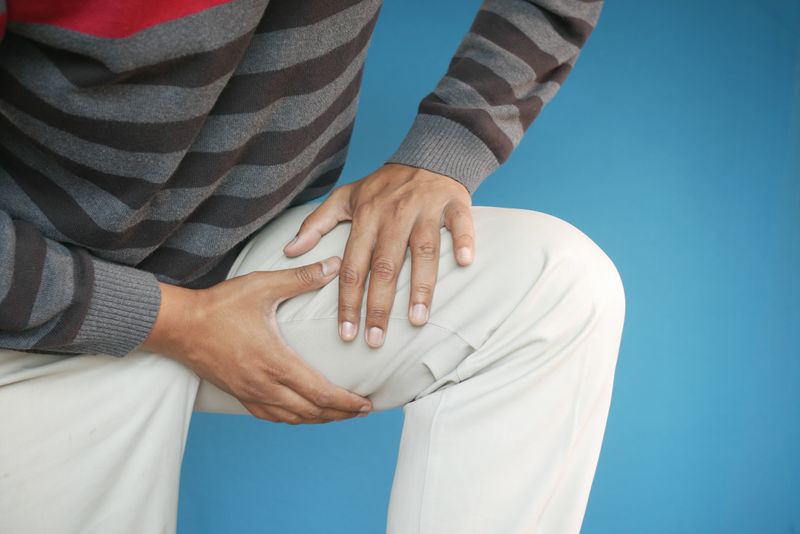
You rolled an ankle six months ago. The swelling disappeared. The bruises faded. Friends assumed everything had healed. Then one rainy morning, the same ankle reminded you that the injury never truly left.
Sound familiar?
Many people expect joint pain to disappear once a cast comes off, a brace lands in the closet, or physical therapy ends. Unfortunately, the human body does not always follow a convenient schedule. Some joint injuries continue causing pain for months or even years, especially without proper evaluation and treatment.
At Spine and Pain Specialty Care, Dr. Edward Shen helps patients throughout Elizabeth, NJ, Union County, and surrounding Northern New Jersey communities find relief from chronic orthopedic pain using non-surgical, minimally invasive treatments. Understanding why lingering joint pain develops often marks the first step toward lasting recovery.
Why Does Joint Pain Last Long After an Injury?
A sprain, strain, fracture, or dislocation triggers the body’s natural healing response. Blood rushes toward the injured tissue. Inflammation begins repairing damaged structures. New collagen forms. Muscles gradually regain strength.
Unfortunately, healing does not always restore every ligament, tendon, cartilage surface, or nerve back to pre-injury condition.
Several problems may remain hidden beneath the surface, including:
- Cartilage damage
- Chronic inflammation
- Scar tissue formation
- Tendon or ligament instability
- Nerve irritation
- Joint degeneration
- Changes in movement patterns
Each factor can contribute to persistent joint pain months after injury.
Chronic Inflammation May Keep Pain Alive
Inflammation serves an important purpose during recovery. Think of inflammation as your body’s construction crew. Workers arrive quickly, repair damage, then head home.
Sometimes, however, a few workers refuse to leave.
Low-grade inflammation may continue long after the original injury heals. Persistent inflammation can irritate nearby tissues, increase stiffness, and create lingering discomfort during daily activities.
Patients frequently notice:
- Morning stiffness
- Swelling after exercise
- Aching during weather changes
- Pain after sitting too long
- Tenderness around the joint
Without treatment, chronic inflammation may gradually damage healthy tissue and increase the risk of osteoarthritis.
Scar Tissue Can Reduce Normal Movement
Scar tissue helps repair damaged muscles, ligaments, and tendons. Unfortunately, scar tissue lacks the flexibility of healthy tissue.
Imagine replacing a stretchy rubber band with a thick rope. Both connect two points, but only one allows smooth movement.
Excess scar tissue may:
- Restrict joint mobility
- Pull surrounding tissues
- Create stiffness
- Increase pressure during movement
- Cause recurring pain
Many patients from Elizabeth, NJ, and nearby communities discover that reduced flexibility contributes more to lingering discomfort than the original injury itself.
Cartilage Damage Often Goes Unnoticed
Unlike skin, cartilage receives very little blood supply. Healing progresses much more slowly, and complete repair rarely occurs without medical intervention.
A seemingly minor knee injury or ankle sprain can leave behind damaged cartilage that continues producing pain during walking, climbing stairs, or exercising.
Common symptoms include:
- Clicking
- Catching
- Grinding sensations
- Swelling after activity
- Joint locking
- Pain during weight-bearing activities
Early evaluation helps prevent further joint degeneration and may reduce the likelihood of post-traumatic arthritis.
Old Injuries Can Lead to Post-Traumatic Arthritis
Many people associate arthritis with aging. Previous injuries tell a different story.
Research shows that significant joint injuries increase the risk of developing post-traumatic osteoarthritis years earlier than expected. Damage to cartilage, bone, or supporting ligaments changes how a joint distributes pressure during movement.
Over time, uneven stress wears away cartilage faster than normal.
Common examples include:
- Knee injuries after sports
- Shoulder dislocations
- Hip injuries following falls
- Ankle fractures
- Wrist fractures
Early treatment for chronic joint pain may help preserve function and slow progression.
Weak Ligaments Create Joint Instability
Ligaments hold joints together like strong ropes. Following a severe sprain, stretched ligaments may never completely regain previous strength. Even subtle looseness allows abnormal movement that places extra stress on cartilage, tendons, and surrounding muscles.
Patients often describe:
- Feeling like the joint “gives out”
- Repeated ankle sprains
- Knee buckling
- Shoulder instability
- Reduced confidence during exercise
Joint instability rarely improves simply by waiting longer.
Your Body May Compensate in Ways That Create New Pain
After an injury, many people unconsciously change how they walk, stand, climb stairs, or lift objects.
Those compensation patterns protect the injured area temporarily. Months later, however, new problems often appear.
One sore ankle may eventually contribute to:
- Knee pain
- Hip pain
- Lower back pain
- Muscle tightness
- Tendon irritation
Treating only the painful area sometimes misses the underlying cause.
A comprehensive orthopedic pain evaluation helps identify movement patterns contributing to chronic pain.
Could Nerves Still Be Involved?
Joint injuries occasionally irritate nearby nerves. Even after swelling resolves, compressed or inflamed nerves may continue sending pain signals.
Symptoms often include:
- Burning pain
- Tingling
- Numbness
- Electric shock sensations
- Increased sensitivity
Persistent nerve irritation deserves evaluation by a pain management specialist before symptoms worsen.
When Should You Seek Treatment for Joint Pain?
Many minor injuries improve within several weeks.
Consider scheduling an evaluation if joint pain continues beyond three months or begins interfering with everyday activities.
Additional warning signs include:
- Persistent swelling
- Limited range of motion
- Difficulty walking
- Joint instability
- Nighttime pain
- Weakness
- Recurring flare-ups
- Pain that continues despite rest
Ignoring chronic joint pain rarely improves long-term outcomes.
Non-Surgical Treatments for Chronic Joint Pain
Many patients worry that surgery represents the only remaining option. Fortunately, many chronic orthopedic pain conditions respond well to conservative care and minimally invasive treatment.
Depending on the underlying cause, treatment may include:
Image-Guided Joint Injections
Ultrasound or fluoroscopic guidance helps deliver medication directly to the painful joint, improving precision while reducing inflammation.
Platelet-Rich Plasma (PRP)
For appropriate candidates, regenerative medicine techniques such as PRP may encourage healing by using concentrated platelets from the patient’s own blood.
Nerve Blocks
Targeted nerve blocks help interrupt chronic pain signals while improving function.
Radiofrequency Ablation (RFA)
When chronic pain originates from irritated joint nerves, radiofrequency ablation may provide longer-lasting relief by reducing pain transmission without major surgery.
Physical Rehabilitation
Targeted strengthening, stretching, and movement correction help restore joint mechanics while reducing future injury risk.
Personalized Pain Management
Every injury heals differently. A customized treatment strategy often provides better results than relying on medication alone.
Why Early Evaluation Matters for Joint Pain
Many people convince themselves that lingering pain simply comes with getting older. That assumption often delays treatment for conditions that respond well to non-surgical care.
Early evaluation can help:
- Identify hidden cartilage injuries
- Reduce chronic inflammation
- Improve mobility
- Prevent worsening joint damage
- Restore daily function
- Delay arthritis progression
- Reduce long-term pain
For residents of Elizabeth, Union, Linden, Cranford, Rahway, Westfield, Clark, Springfield, Roselle, Hillside, and surrounding Northern New Jersey communities, timely treatment may prevent years of unnecessary discomfort.
Frequently Asked Questions on Joint Pain
Why does my joint still hurt months after an injury?
Lingering joint pain may result from chronic inflammation, cartilage damage, scar tissue, ligament instability, nerve irritation, or post-traumatic arthritis. A thorough evaluation can identify the underlying cause and guide treatment.
Can an old injury suddenly start hurting again?
Yes. Changes in activity level, weather, aging, or joint degeneration can aggravate a previous injury and trigger new pain months or years later.
Can chronic joint pain improve without surgery?
Many patients experience significant relief through non-surgical treatments such as physical therapy, image-guided injections, regenerative medicine, nerve blocks, and radiofrequency ablation.
When should I see a pain management specialist?
Schedule an evaluation if joint pain lasts longer than three months, limits daily activities, causes swelling or weakness, or continues despite rest and conservative care.
Take Control of Chronic Joint Pain Before It Worsens
If lingering joint pain limits your work, exercise routine, sleep, or favorite hobbies, professional evaluation may uncover the true cause. Many chronic orthopedic pain conditions respond well to minimally invasive, non-surgical treatments that help patients return to active lives without major surgery.
Dr. Edward Shen and the team at Spine and Pain Specialty Care proudly serve patients throughout Elizabeth, NJ, Union County, and surrounding Northern New Jersey communities with compassionate, personalized pain management.
Call Spine and Pain Specialty Care today at (908) 818-1600 to schedule a consultation and learn how advanced, minimally invasive treatments can help you move with greater comfort and confidence.
DISCLAIMER: This content is educational and not a substitute for personalized medical advice.
Common Causes of Sciatica and When to Seek Treatment
You bend down to tie a shoe. You stand up, then suddenly feel a sharp pain shoot from your lower back through...
Read More
Understanding Trigger Point Injections for Muscle Pain
A tight muscle can ruin far more than your workout. One stubborn knot can turn driving into a chore, make sleep nearly...
Read More
The Most Common Causes of Wrist and Hand Pain
You reach for your morning coffee, twist a doorknob, or type a quick email. Suddenly, a sharp ache shoots through your wrist....
Read More