Schedule
  Get Directions
 Contact Us
Knee Pain Treatments That Don’t Require Surgery
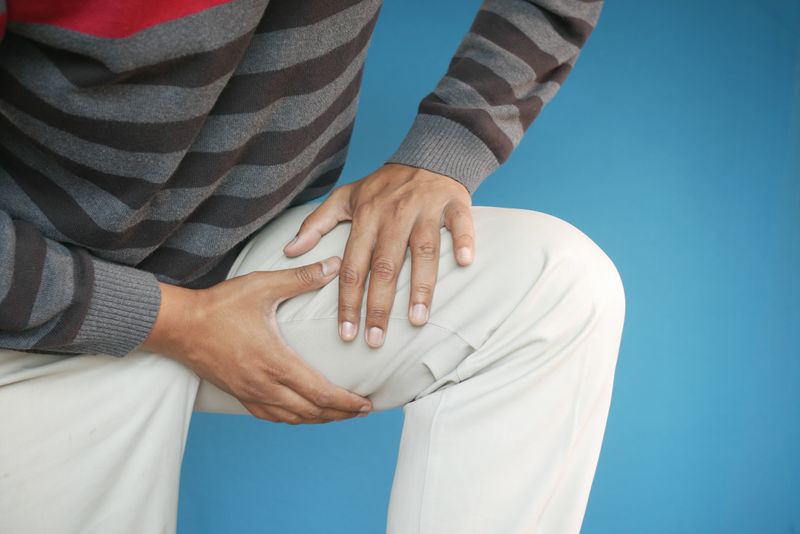
Every step tells a story. Some stories include hiking through Watchung Reservation, chasing grandchildren around the backyard, or climbing the stairs without a second thought. Chronic knee pain, however, often rewrites that story with every ache, pop, and wince.
Many people hear “chronic knee pain” and immediately picture surgery, months of recovery, and a calendar full of physical therapy appointments. Fortunately, modern pain management offers another path. Many patients find meaningful relief through non-surgical knee pain treatment that targets the source of discomfort without replacing the joint.
If persistent knee pain limits your daily routine, Dr. Edward Shen and the team at Spine and Pain Specialty Care provide minimally invasive treatment options for patients throughout Elizabeth, Union, Cranford, Westfield, Linden, Rahway, Springfield, Clark, Scotch Plains, and surrounding Northern New Jersey communities.
What Causes Chronic Knee Pain?
The knee handles thousands of steps every day. Years of movement, previous injuries, repetitive activities, and natural wear gradually place stress on cartilage, ligaments, tendons, and surrounding nerves.
Several chronic orthopedic pain conditions commonly contribute to ongoing discomfort, including:
- Knee osteoarthritis
- Degenerative joint disease
- Meniscus degeneration
- Patellofemoral pain syndrome
- Chronic tendinitis
- Bursitis
- Ligament injuries
- Previous sports injuries
- Chronic inflammation
Pain may develop gradually or appear after an injury. Common symptoms include:
- Pain while walking
- Knee stiffness after sitting
- Swelling
- Clicking or grinding sensations
- Difficulty climbing stairs
- Knee instability
- Reduced range of motion
Ignoring these symptoms rarely leads to lasting improvement. Early evaluation often creates more treatment options while helping preserve mobility.
Do You Really Need Knee Surgery?
Not always! Many patients assume knee replacement offers the only answer once arthritis appears on an X-ray. Current medical guidelines encourage conservative treatment before surgery for many chronic knee conditions, especially when pain remains manageable and joint damage has not reached an advanced stage.
Pain management specialists focus on reducing pain, improving function, and helping patients remain active while delaying or even avoiding surgery whenever appropriate.
Lifestyle Changes That Support Long Term Knee Health
Treatment often begins with practical changes that reduce stress on the knee joint.
Weight Management
Every extra pound places additional force across the knee during walking and climbing stairs. Even modest weight loss can reduce pressure on the joint while improving pain and function for many patients with knee osteoarthritis.
Low Impact Exercise
Movement helps nourish cartilage, strengthen supporting muscles, and improve flexibility.
Suitable options include:
- Walking
- Swimming
- Stationary cycling
- Water aerobics
- Gentle strength training
A couch marathon may sound tempting after a painful day, but the knee usually prefers steady movement over complete inactivity.
Physical Therapy
A personalized therapy program strengthens muscles surrounding the knee while improving balance, flexibility, and joint mechanics. Stronger muscles often reduce stress placed directly on damaged joint surfaces.
Medications May Help Manage Symptoms
For some patients, medications provide temporary relief while supporting participation in rehabilitation.
Treatment may include:
- Acetaminophen
- Nonsteroidal anti-inflammatory drugs (NSAIDs)
- Prescription anti-inflammatory medications
- Topical pain creams or gels
Medication alone rarely solves chronic orthopedic pain. Combining medication with targeted treatments often produces better long-term results.
Corticosteroid Injections
Corticosteroid injections reduce inflammation inside the knee joint and often provide temporary pain relief for arthritis flare ups.
Many patients experience reduced pain, allowing greater participation in physical therapy and daily activities.
Your physician will carefully determine whether corticosteroid injections fit your condition because repeated injections may not benefit every patient.
Hyaluronic Acid Injections
Healthy knees contain hyaluronic acid, which helps lubricate joint surfaces during movement.
As arthritis progresses, natural lubrication declines.
Viscosupplementation adds hyaluronic acid directly into the joint, improving lubrication and reducing friction for selected patients.
Patient response varies, making a comprehensive evaluation an important first step.
Platelet Rich Plasma (PRP)
Platelet rich plasma therapy uses concentrated platelets collected from a patient’s own blood.
Growth factors released from platelets may support tissue healing while reducing inflammation in selected patients with chronic knee pain.
Current research continues to evaluate PRP for knee osteoarthritis. Several studies demonstrate encouraging results for carefully selected patients, although outcomes vary based on arthritis severity, patient health, and treatment protocols.
Radiofrequency Ablation for Knee Pain
Radiofrequency ablation, also called genicular nerve radiofrequency ablation, offers one of today’s most effective minimally invasive treatments for chronic knee arthritis pain.
Using image guidance, Dr. Shen carefully positions specialized needles near targeted sensory nerves. Controlled heat interrupts pain signals while preserving normal joint movement.
Potential benefits include:
- Long lasting pain relief
- Improved mobility
- Reduced reliance on pain medication
- Outpatient treatment
- Minimal recovery time
Which Patients May Benefit from Non-Surgical Knee Pain Treatment?
A comprehensive evaluation helps determine the most appropriate treatment plan.
You may benefit from interventional pain management if you experience:
- Knee pain lasting longer than several weeks
- Chronic knee arthritis
- Pain that limits walking or exercise
- Difficulty climbing stairs
- Pain despite medication or physical therapy
- Previous recommendation for knee replacement but desire to explore alternatives first
- Medical conditions that increase surgical risk
Frequently Asked Questions about Knee Pain
Can chronic knee pain improve without surgery?
Yes. Many patients achieve meaningful relief through physical therapy, weight management, medications, image guided injections, genicular nerve blocks, radiofrequency ablation, or other minimally invasive procedures.
What causes chronic knee pain?
Common causes include knee osteoarthritis, degenerative joint disease, meniscus degeneration, tendinitis, bursitis, ligament injuries, chronic inflammation, and previous sports injuries.
Who is a good candidate for platelet-rich plasma (PRP)?
PRP may help carefully selected patients with knee osteoarthritis or certain tendon and ligament injuries who want to explore options before surgery. Because results vary and the evidence continues to evolve, a thorough evaluation helps determine whether PRP is appropriate for your condition and goals.
Does every patient with knee arthritis need knee replacement surgery?
No. Many patients respond well to conservative treatment and minimally invasive pain management before surgery becomes necessary.
Find Lasting Knee Pain Relief Without Surgery
Chronic knee pain should not decide where you go, what activities you enjoy, or how confidently you move through each day.
Dr. Edward Shen and the team at Spine and Pain Specialty Care provide personalized, evidence-based treatment plans focused on reducing pain, improving mobility, and helping patients avoid surgery whenever appropriate. Whether your symptoms stem from knee osteoarthritis, chronic joint pain, or another orthopedic condition, a comprehensive evaluation can identify minimally invasive treatment options tailored to your goals.
If chronic knee pain affects your life, schedule a consultation with Spine and Pain Specialty Care today. Call (908) 818-1600 to learn more about non-surgical knee pain treatment in Elizabeth, NJ, and throughout Northern New Jersey.
DISCLAIMER: This content is educational and not a substitute for personalized medical advice.
5 Everyday Habits That Could Be Secretly Causing Your Joint Pain
Joint pain rarely appears overnight. More often, discomfort sneaks into daily life after weeks, months, or even years of small habits that...
Read More
The Link Between Poor Posture and Chronic Neck Pain
You glance down at your phone for a “quick” text. Ten minutes later, your head still hangs forward, your shoulders round inward,...
Read More
Why Your Back Pain Keeps Coming Back: Common Causes and Non-Surgical Treatment Options
You stretched. You rested. You swapped your office chair for one with enough adjustments to launch a spaceship. For a few days,...
Read More