Schedule
  Get Directions
 Contact Us
5 Common Sports Injuries That Lead to Long-Term Pain
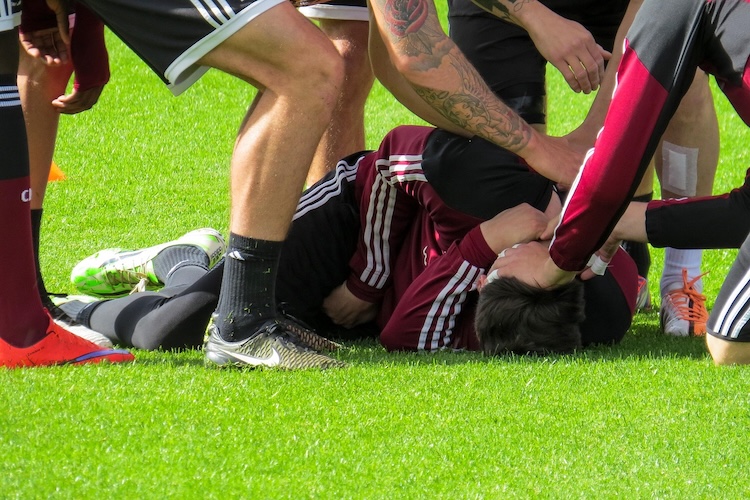
Sports injuries always arise at the most inopportune times. One minute, a runner chases a personal record. The next minute, a knee makes a sound no knee should ever make. A tennis player swings, then spends three weeks struggling to reach the top shelf. A weekend warrior joins one casual pickup game and somehow leaves with the mobility of a rusty lawn chair.
Some sports injuries heal with rest, ice, and patience. Others linger, flare up, and turn into long-term pain that interrupts workouts, workdays, sleep, and normal routines.
When pain sticks around, the body needs more than a pep talk and a bag of frozen peas.
Why Sports Injuries Can Lead to Long-Term Pain
The body can handle plenty of bumps, twists, tackles, sprints, and overly ambitious pickleball moves. However, repeated stress or a poorly healed injury can create lasting problems.
Sports injuries may lead to chronic pain when damaged tissues never fully recover; joints lose stability, nerves stay irritated, or inflammation continues long after the original injury. Athletes and active adults often return to activity too soon because nobody wants to sit on the sidelines. Unfortunately, rushing recovery can turn a temporary injury into a long-term pain problem.
Chronic pain after sports injury may affect:
- Knees
- Shoulders
- Ankles
- Hips
- Back
- Neck
- Elbows
- Tendons
- Nerves
- Joints
Persistent pain deserves attention, especially when symptoms limit movement, reduce strength, disturb sleep, or keep returning after activity.
Below, we’ll break down five common sports injuries that can lead to chronic orthopedic pain and when specialized care may help.
1. Knee Injuries
Knees put in serious overtime during sports. Running, jumping, twisting, stopping, cutting, and landing all place major stress on the knee joint.
Common sports-related knee injuries include ACL tears, meniscus tears, ligament sprains, tendon irritation, and cartilage damage. These injuries often happen during soccer, basketball, football, dance, gymnastics, ice hockey, tennis, skiing, running, and other high-impact activities.
A knee injury can lead to long-term pain when the joint loses stability, or damaged cartilage continues irritating surrounding tissue. Meniscus injuries can cause catching, locking, swelling, and sharp pain during movement. ACL injuries may create instability that makes the knee feel unreliable during pivoting or quick directional changes.
Chronic knee pain after sports may feel like:
- Pain while climbing stairs
- Swelling after activity
- Stiffness after sitting
- Instability during movement
- Popping or catching sensations
- Reduced range of motion
Pain management for athletes often focuses on reducing inflammation, improving function, and helping patients return to activity without making the injury worse.
Furthermore, a pain management specialist can help determine whether chronic knee pain comes from inflammation, joint degeneration, ligament injury, tendon damage, or nerve irritation. Non-surgical knee pain treatment may include physical therapy, image-guided injections, regenerative medicine, bracing, activity modification, and targeted pain management strategies.
2. Rotator Cuff Injuries
The shoulder may look simple from the outside, but the shoulder joint runs like a complicated machine with many moving parts and zero patience for poor mechanics.
Rotator cuff injuries affect the group of muscles and tendons that help lift and rotate the arm. These injuries commonly occur in baseball, swimming, tennis, volleyball, weightlifting, golf, and any sport involving repeated overhead movement.
A rotator cuff injury can cause chronic shoulder pain when tendons remain inflamed, partially torn, pinched, or weakened. Many patients notice pain while reaching overhead, lifting objects, sleeping on the affected side, or putting on a jacket.
Long-term shoulder pain may involve:
- Aching along the outer shoulder
- Weakness with lifting
- Pain during overhead activity
- Limited range of motion
- Nighttime shoulder pain
- Clicking or catching sensations
Chronic shoulder pain from sports injuries can affect daily routines quickly. Reaching for a seatbelt, carrying groceries, or brushing hair may suddenly feel like a competitive event. Non-surgical shoulder pain treatment may include physical therapy, anti-inflammatory strategies, image-guided injections, regenerative medicine, and minimally invasive pain management approaches. Early evaluation can help prevent worsening stiffness, weakness, and compensation patterns that strain the neck and upper back.
3. Ankle Sprains
Ankle sprains have a sneaky reputation. Many people treat an ankle sprain like a minor inconvenience: wrap the ankle, walk it off, and return to activity before the joint fully heals. But that plan can quickly backfire.
An ankle sprain damages the ligaments that support the ankle. Sports involving running, jumping, cutting, or uneven surfaces often create ankle sprains.
When ankle ligaments heal poorly, chronic ankle instability can develop. The ankle may roll repeatedly, swell after activity, or feel weak on uneven ground. Each repeated sprain can cause additional damage.
Long-term ankle pain may include:
- Swelling after exercise
- Tenderness around the ankle
- Repeated rolling or giving way
- Pain during walking or running
- Stiffness in the joint
- Reduced confidence during movement
Sports injury treatment for chronic ankle pain may include strengthening, balance training, bracing, imaging, injections, and non-surgical pain treatment. A pain management physician can evaluate whether lingering pain comes from ligament instability, tendon irritation, cartilage damage, nerve irritation, or inflammation inside the joint.
4. Herniated Discs and Sports-Related Back Pain
Back injuries can turn almost any sport into a challenge. Golf swings, deadlifts, tackles, sudden twists, long runs, and awkward landings can all irritate the spine.
Sports-related back pain may come from muscle strains, facet joint irritation, sacroiliac joint dysfunction, disc injuries, or nerve compression. A herniated disc can occur when spinal disc material presses against nearby nerves. This pressure may cause lower back pain, leg pain, numbness, tingling, or weakness.
Chronic back pain after sports can feel especially frustrating because the spine participates in nearly every movement: sitting, standing, bending, lifting, driving, and sleeping can all trigger symptoms.
Warning signs may include:
- Pain lasting longer than several weeks
- Pain traveling into the leg
- Numbness or tingling
- Muscle weakness
- Pain that worsens with bending or lifting
- Pain that interrupts sleep
A pain management specialist can help identify whether chronic back pain comes from a disc problem, irritated spinal joints, pinched nerves, muscle strain, or another orthopedic condition.
Non-surgical back pain treatment may include physical therapy, epidural steroid injections, facet joint injections, nerve blocks, radiofrequency ablation, and other minimally invasive procedures. These treatments can help reduce inflammation, calm irritated nerves, and improve mobility without major surgery.
5. Tendon Injuries
Tendons connect muscles to bones and handle repetitive force during sports. When tendons become irritated or damaged, long-term pain can develop.
Common tendon injuries include Achilles tendinitis, tennis elbow, golfer’s elbow, patellar tendinitis, and shoulder tendon injuries. Running, jumping, lifting, swinging, throwing, and gripping all place stress on tendons.
Tendon pain often starts quietly. A small ache appears after activity. Then the ache shows up during activity. Eventually, pain starts joining the warm-up like an unwanted teammate.
Chronic tendon pain may involve:
- Tenderness near a joint
- Pain that worsens with repeated motion
- Stiffness after rest
- Swelling or thickening near the tendon
- Weakness during activity
- Reduced performance
Overuse injuries can become stubborn because tendons often receive less blood flow than muscles. Poor healing, repeated loading, and chronic inflammation can keep symptoms active for months.
Non-surgical treatment for tendon injuries may include targeted rehabilitation, activity modification, bracing, regenerative medicine, image-guided injections, and minimally invasive pain management options. The right plan depends on the tendon involved, injury severity, activity goals, and duration of symptoms.
When Should Sports Injury Pain Raise Concern?
Not every ache needs a pain specialist. Soreness after exercise can happen, especially after trying a new workout or pretending the body still remembers high school conditioning drills. However, certain symptoms deserve medical evaluation.
Consider seeing a pain management specialist when sports injury pain:
- Lasts longer than a few weeks
- Keeps returning after activity
- Limits normal movement
- Causes swelling that does not improve
- Creates numbness, tingling, or weakness
- Interrupts sleep
- Makes walking, lifting, running, or stairs difficult
- Persists despite rest, ice, stretching, or medication
- Prevents return to favorite activities
Pain that keeps coming back often signals an underlying problem. A thorough evaluation can help identify the root cause and guide treatment before symptoms worsen.
Long-Term Pain Does Not Have to Win
Sports injuries can frustrate active people because pain affects more than workouts. Chronic orthopedic pain can limit work, sleep, family time, hobbies, and confidence.
The good news? Long-term pain from sports injuries often responds well to the right diagnosis and treatment strategy.
A pain management specialist can help patients understand why pain persists, and which minimally invasive treatment options may support recovery. Whether symptoms involve chronic knee pain, shoulder pain, ankle pain, back pain, tendon pain, or nerve pain after injury, specialized care can help patients move forward.
Schedule an Appointment with Spine and Pain Specialty Care
Dr. Edward Shen and the team at Spine and Pain Specialty Care provide comprehensive care for sports injuries, chronic orthopedic pain, spine conditions, joint pain, nerve pain, and other musculoskeletal conditions. SPSC offers non-surgical and minimally invasive pain management options designed to reduce pain, improve mobility, and help patients return to the activities that matter most.
Call Spine and Pain Specialty Care today at (908) 818-1600 or schedule a consultation online.
DISCLAIMER: This content is educational and not a substitute for personalized medical advice.
5 Everyday Habits That Could Be Secretly Causing Your Joint Pain
Joint pain rarely appears overnight. More often, discomfort sneaks into daily life after weeks, months, or even years of small habits that...
Read More
The Link Between Poor Posture and Chronic Neck Pain
You glance down at your phone for a “quick” text. Ten minutes later, your head still hangs forward, your shoulders round inward,...
Read More
Why Your Back Pain Keeps Coming Back: Common Causes and Non-Surgical Treatment Options
You stretched. You rested. You swapped your office chair for one with enough adjustments to launch a spaceship. For a few days,...
Read More