Schedule
 Get Directions
 Contact Us
The Warning Signs of a Serious Spine Condition
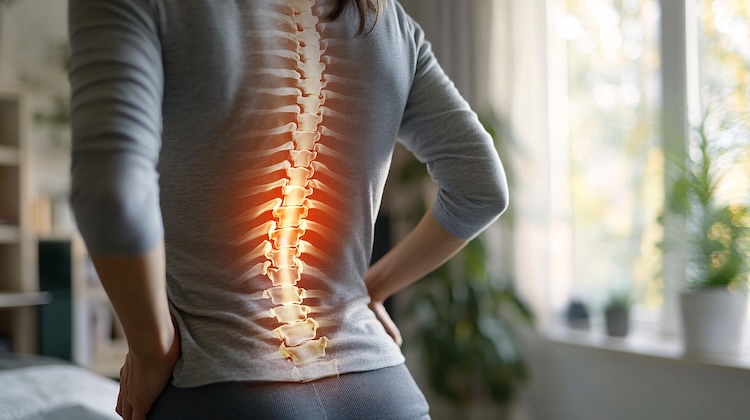
Back pain is complex and has a frustrating habit of showing up at the worst possible time. Maybe your lower back complains after a weekend of yard work. Maybe your neck protests after eight hours hunched over a laptop. Most episodes improve with time and conservative care.
Sometimes, however, your spine sends a message you should not ignore.
Certain symptoms can point toward nerve compression, spinal stenosis, a herniated disc, infection, fracture, or another potentially serious spine condition. Knowing the difference between ordinary soreness and a warning sign can help you seek appropriate care before a problem progresses.
For patients experiencing chronic back pain, chronic neck pain, or other spine problems, recognizing those warning signs matters. Some symptoms require prompt evaluation. Others demand emergency medical attention.
So, when should you worry about back pain? Here are the signs worth knowing.
1. Numbness, Tingling, or Weakness in Your Arms or Legs
Your spine does much more than help you stand upright. The spinal cord and nerves carry signals between your brain and the rest of your body. When a spinal condition compresses or irritates a nerve, symptoms can travel well beyond your back or neck.
A pinched or compressed nerve may cause:
- Numbness
- Tingling
- Burning sensations
- Muscle weakness
- Shooting or electric-like pain
- Pain that travels into an arm or leg
A herniated disc, spinal stenosis, degenerative changes, or another source of nerve compression may trigger these symptoms. Do not simply wait for progressive weakness to disappear. Losing strength in a hand, arm, foot, or leg deserves medical attention.
2. New Problems with Bladder or Bowel Control
Few spine symptoms raise a bigger red flag than sudden changes in bladder or bowel function. New difficulty urinating, urinary retention, loss of bladder control, or loss of bowel control can sometimes indicate severe compression of nerves at the bottom of the spinal canal. One potential cause, cauda equina syndrome, requires immediate medical evaluation.
The American Association of Neurological Surgeons identifies urinary retention, urinary or fecal incontinence, lower-extremity weakness, back or leg pain, and altered sensation around the saddle region among the red-flag symptoms associated with cauda equina syndrome.
If back pain occurs alongside new bladder or bowel dysfunction, seek emergency medical care. Do not wait for a routine pain-management appointment.
Rapid evaluation matters because severe nerve compression can cause permanent neurological damage when left untreated.
3. Numbness Around the Groin, Buttocks, or Inner Thighs
Another emergency warning sign involves numbness in the area that would contact a saddle while riding a horse. Spine doctors call this symptom saddle anesthesia.
Saddle numbness may affect the:
- Buttocks
- Groin
- Genitals
- Inner thighs
- Area around the anus
The symptom can occur with cauda equina syndrome, particularly when combined with bladder or bowel changes, severe lower back pain, leg weakness, or sciatica. This symptom does not belong in the “I’ll see how I feel next week” category. Someone experiencing new saddle numbness should seek immediate medical attention.
4. Back Pain with a Fever
Back pain in combination with a fever deserves attention. Muscle strains, arthritis, and many common orthopedic problems typically do not cause fever. When fever accompanies significant back pain, a healthcare professional may need to rule out infection or another serious medical problem.
Additional symptoms such as chills, redness, swelling, or feeling unusually ill can provide further reason to seek prompt evaluation. Most backaches do not signal infection. Still, fever changes the conversation.
5. Unexplained Weight Loss with Persistent Back Pain
Losing weight after changing your diet and exercising regularly probably will not surprise you. But losing weight without trying deserves a closer look, particularly when persistent or worsening back pain accompanies the change.
Unexplained weight loss can sometimes accompany an underlying systemic illness. However, unexplained weight loss does not automatically mean something serious has gone wrong. The combination warrants evaluation rather than guesswork.
6. Severe Pain After a Fall, Accident, or Injury
A sore back after lifting a heavy box may result from a muscle strain. Severe pain after a car crash, significant fall, sports collision, or other trauma requires greater caution.
Trauma can damage:
- Vertebrae
- Spinal discs
- Facet joints
- Ligaments
- Muscles
- Nerves
Even less dramatic injuries deserve attention when pain persists or neurological symptoms develop. Spine and Pain Specialty Care evaluates accident-related problems including whiplash, cervical sprains, herniated or bulging discs, facet joint injuries, lumbar strains, sciatica, and nerve compression.
Trying to “tough out” severe pain after an accident will not earn your spine any loyalty points.
7. Back or Neck Pain That Keeps Getting Worse
Back or neck pain that progressively worsens, persists despite appropriate self-care, repeatedly returns, or significantly limits normal activity deserves evaluation. Spine specialists recommend medical evaluation when back pain fails to improve with self-care or progressively worsens.
Persistent pain can accompany many chronic orthopedic pain conditions, including:
- Herniated discs
- Degenerative disc disease
- Spinal stenosis
- Facet joint arthritis
- Sciatica
- Nerve compression
- Chronic neck pain
- Chronic lower back pain
Chronic pain does not automatically signal a medical emergency. However, pain that continually interferes with work, sleep, exercise, walking, or everyday activities deserves more than another month of hoping for the best.
8. Severe Pain at Night or While Resting
Pain that remains constant, becomes particularly intense at night, or worsens while lying down deserves attention. Nighttime pain alone does not diagnose a serious spine condition. Many non-dangerous musculoskeletal problems can also disturb sleep.
The overall pattern matters. Persistent nighttime pain becomes more concerning when accompanied by fever, unexplained weight loss, neurological symptoms, a history of cancer, or other red flags.
9. Pain That Shoots Down an Arm or Leg
Your back may hurt, but the source of the problem does not always keep the discomfort confined to your spine. A compressed or irritated nerve can cause radicular pain, meaning pain travels along the path of a nerve. Lower-spine nerve irritation may produce sciatica that travels through the buttock and leg. Cervical nerve compression may send symptoms through the shoulder and into an arm or hand.
Spine specialists recommend medical evaluation when back pain spreads down one or both legs, particularly when pain extends below the knee or accompanies weakness, numbness, or tingling.
A herniated disc or spinal stenosis can contribute to nerve compression. Persistent radiating pain may require a closer look to identify the actual pain generator.
What Spine Conditions Can Cause These Painful Symptoms?
A long list of conditions can cause back or neck pain, and many remain manageable without surgery. Symptoms alone cannot reliably identify the underlying diagnosis. Common spine conditions include:
Herniated Discs
Spinal discs cushion the vertebrae. When disc material protrudes or ruptures, nearby nerves can become irritated or compressed. A herniated disc may cause back or neck pain, numbness, tingling, weakness, or radiating pain into an arm or leg.
Spinal Stenosis
Spinal stenosis develops when spaces within the spine narrow and place pressure on the spinal cord or nerve roots. Lumbar spinal stenosis may cause lower back pain, leg pain, numbness, weakness, or difficulty walking. Cervical spinal stenosis can affect the neck, arms, hands, and, in more serious cases, spinal cord function.
Degenerative Disc Disease
Spinal discs naturally change with age. For some people, degenerative changes contribute to chronic back or neck pain. Disc degeneration can also occur alongside arthritis, herniation, or narrowing around spinal nerves.
Facet Joint Arthritis
Facet joints connect neighboring vertebrae and help the spine bend, twist, and remain stable. Age-related degeneration, arthritis, repetitive stress, injuries, and other changes can irritate these joints and produce persistent pain and stiffness.
Sciatica and Nerve Compression
Sciatica describes pain that follows the sciatic nerve, typically from the lower back through the buttock and leg.
A herniated disc, spinal stenosis, or another condition that irritates a spinal nerve can contribute to sciatica. Patients may experience pain, tingling, numbness, or weakness.
When Should You Seek Out a Spine Specialist?
You do not need to wait until back or neck pain becomes unbearable before seeking help. Consider scheduling an evaluation when:
- Back or neck pain persists or progressively worsens
- Pain repeatedly returns
- Pain travels into an arm or leg
- Numbness or tingling develops
- Pain limits walking, exercise, work, or sleep
- Conservative treatments have not provided enough relief
- A previous spine condition has started causing new symptoms
Seek immediate medical care for new bowel or bladder problems, saddle numbness, significant or progressive weakness, back pain with fever, or severe pain following major trauma.
Knowing which category your symptoms fall into matters. When in doubt about severe or rapidly changing neurological symptoms, urgent medical evaluation provides the safer choice.
Do Not Ignore What Your Spine Tells You
Most back and neck pain does not point toward a dangerous medical condition. Still, knowing the warning signs can help you recognize when ordinary discomfort has crossed into territory that deserves professional attention.
For chronic back pain, neck pain, sciatica, herniated discs, spinal stenosis, arthritis, nerve pain, and other appropriate non-emergency conditions, Spine and Pain Specialty Care provides advanced pain management in Elizabeth, NJ.
Call Spine and Pain Specialty Care at (908) 818-1600 to schedule a consultation with Dr. Edward Shen and learn more about your non-surgical and minimally invasive treatment options.
If you experience new bowel or bladder dysfunction, saddle numbness, severe or rapidly progressing weakness, or other potentially emergent neurological symptoms, seek immediate medical attention rather than waiting for a routine office appointment.
Disclaimer: This article provides general educational information and does not replace individualized medical advice, diagnosis, or emergency care.

7 Common Causes of Foot and Ankle Pain and How to Find Relief
Foot and ankle pain can make even simple activities frustrating. Walking through the grocery store, climbing stairs, exercising, standing at work, or...
Read More
5 Everyday Habits That Could Be Secretly Causing Your Joint Pain
Joint pain rarely appears overnight. More often, discomfort sneaks into daily life after weeks, months, or even years of small habits that...
Read More
The Link Between Poor Posture and Chronic Neck Pain
You glance down at your phone for a “quick” text. Ten minutes later, your head still hangs forward, your shoulders round inward,...
Read More