Schedule
  Get Directions
 Contact Us
Signs Your Joint Pain May Require Medical Attention: When to See a Pain Specialist
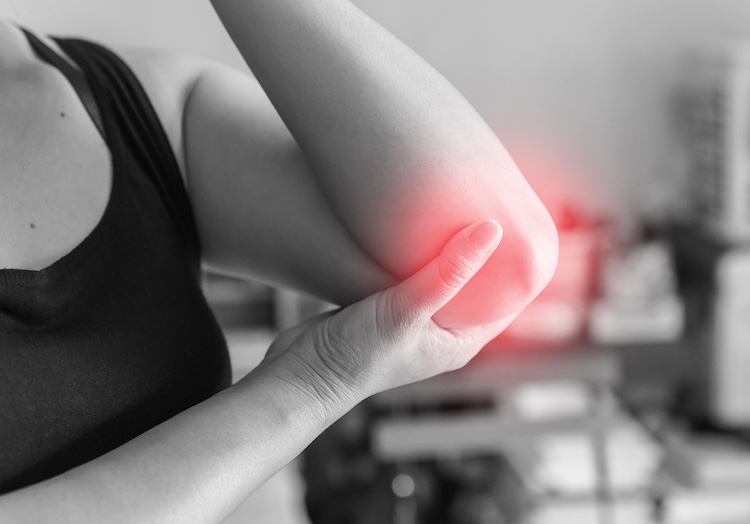
A little soreness after helping a friend move? No surprise. Aching knees after chasing grandchildren through the park? Understandable. But when a shoulder refuses to reach the top shelf, a hip interrupts every walk, or a swollen knee keeps you awake at night, your joints may have more to say.
Pain rarely sends an engraved invitation before becoming a bigger problem. Instead, symptoms often start quietly before gradually disrupting work, hobbies, exercise, and everyday life. Many people brush off persistent discomfort, hoping another weekend of rest, a heating pad, or a bottle of over-the-counter pain relievers will solve everything.
Sometimes those simple remedies help. Other times, chronic joint pain signals an underlying orthopedic condition that deserves professional attention.
Recognizing the warning signs early can help protect your mobility, reduce long-term joint damage, and open the door to effective non-surgical joint pain treatment. For patients throughout Elizabeth, NJ, Union County, and surrounding northern New Jersey communities, Spine and Pain Specialty Care offers personalized, minimally invasive solutions designed to relieve pain without rushing toward surgery.
Why Persistent Joint Pain Should Never Be Ignored
Joint pain affects millions of adults every year. Aging, arthritis, sports injuries, repetitive movements, autoimmune diseases, and previous trauma all contribute to chronic discomfort. While occasional soreness often fades within a few days, persistent pain deserves closer attention.
Healthy joints allow smooth movement through cartilage, ligaments, tendons, muscles, and surrounding tissues. Damage or inflammation within any of those structures can gradually reduce flexibility while increasing stiffness and pain.
Waiting too long can allow many orthopedic conditions to worsen. Early diagnosis often creates more treatment options while helping preserve long-term joint function.
Common Causes of Chronic Joint Pain
Several conditions commonly lead patients to seek treatment from a pain management specialist in Elizabeth, NJ.
Osteoarthritis
Osteoarthritis gradually wears away protective cartilage inside the joint. Bone surfaces begin rubbing together, leading to pain, stiffness, swelling, and reduced range of motion. Knees, hips, shoulders, and hands frequently develop symptoms.
Rheumatoid Arthritis
Unlike osteoarthritis, rheumatoid arthritis results from an autoimmune process that attacks healthy joint tissue. Early diagnosis plays an important role in limiting long-term damage.
Tendinitis
Repeated motions at work, in sports, or during daily activities can irritate tendons. Shoulder, elbow, knee, and ankle tendinitis commonly develops after months or years of repetitive stress.
Bursitis
Small fluid-filled sacs called bursae cushion many joints. Inflammation inside those sacs can create sharp pain, swelling, and tenderness.
Previous Injuries
Old sports injuries sometimes return years later. Torn ligaments, cartilage injuries, fractures, and dislocations may eventually contribute to chronic orthopedic pain.
Overuse Injuries
Construction workers, healthcare professionals, athletes, office employees, and weekend warriors all place repetitive stress on certain joints. Over time, microscopic damage can accumulate faster than the body repairs itself.
Signs Your Joint Pain May Require Medical Attention
Not every ache requires an appointment. Certain symptoms, however, deserve evaluation sooner rather than later.
Pain Lasts Longer Than Several Weeks
Most minor sprains and strains improve steadily with rest and conservative care. Pain that continues for several weeks without meaningful improvement often signals something more significant.
Persistent discomfort may indicate:
- Osteoarthritis
- Tendon injuries
- Cartilage damage
- Chronic inflammation
- Ligament injuries
- Degenerative joint disease
A comprehensive evaluation can identify the source before symptoms progress further.
Joint Pain Interrupts Daily Activities
Difficulty climbing stairs, carrying groceries, typing, gardening, golfing, or getting dressed should never become “normal.” When pain begins controlling your schedule instead of the other way around, your body deserves professional attention.
Swelling Keeps Returning
Temporary swelling after intense activity often resolves naturally. Recurring swelling, however, may suggest ongoing inflammation, arthritis, bursitis, infection, or structural joint damage. Persistent inflammation frequently accelerates joint deterioration when left untreated.
Stiffness Lasts More Than Thirty Minutes
Morning stiffness occasionally follows strenuous activity. Chronic stiffness lasting thirty minutes or longer each morning often accompanies inflammatory arthritis or degenerative joint disease. Reduced flexibility can gradually limit independence if left unaddressed.
Pain Worsens at Night
Many chronic orthopedic conditions become more noticeable after the distractions of daytime disappear. Pain that repeatedly interrupts sleep deserves evaluation, particularly when discomfort continues despite changing positions or using over-the-counter medications.
Your Joint Feels Unstable
Does your knee suddenly buckle? Does your shoulder feel like something slips out of place? Does your ankle frequently give way? Joint instability increases the risk of additional injuries while suggesting ligament damage or structural weakness.
You Hear Clicking, Popping, or Grinding Along with Pain
Joints naturally make occasional noises. Painful grinding, locking, catching, or popping accompanied by swelling or limited movement deserves medical evaluation. Those symptoms may indicate cartilage damage, meniscus tears, or advanced arthritis.
Weakness Develops
Muscle weakness often develops when chronic pain limits activity. Weakness can also result from nerve compression or advanced joint disease. Difficulty lifting objects, climbing stairs, or standing from a chair should never receive a casual shrug.
Range of Motion Continues Shrinking
Can you no longer raise your arm overhead? Does your hip refuse to rotate comfortably? Does your knee refuse to fully straighten? Progressive loss of mobility often points toward worsening inflammation, arthritis, or structural joint damage.
Pain Returns Again and Again
Pain that repeatedly improves before returning often reflects an untreated underlying condition. Recurring symptoms deserve a thorough diagnosis instead of another temporary bandage solution.
How a Pain Management Specialist Diagnoses Chronic Joint Pain
Successful treatment begins with an accurate diagnosis. At Spine and Pain Specialty Care, Dr. Edward Shen performs a comprehensive evaluation that may include:
- Medical history
- Physical examination
- Range of motion testing
- Strength assessment
- Neurological evaluation
- Diagnostic imaging review when appropriate
- Discussion of lifestyle and activity goals
Every patient presents unique symptoms. Personalized treatment plans produce better outcomes than one-size-fits-all approaches.
Non-Surgical Joint Pain Treatment Options
Many patients worry that surgery represents the only solution. Fortunately, modern orthopedic pain management offers numerous minimally invasive options that help many patients delay or avoid surgery altogether.
Image-Guided Joint Injections
Image-guided injections deliver medication precisely where inflammation develops. These procedures may reduce pain while improving mobility for conditions such as:
- Osteoarthritis
- Shoulder pain
- Hip pain
- Knee pain
- Bursitis
- Tendinitis
Platelet-Rich Plasma (PRP) Therapy
Platelet-Rich Plasma (PRP) therapy uses concentrated platelets from a patient’s own blood to support the body’s natural healing response.
PRP may benefit select patients experiencing:
- Mild to moderate osteoarthritis
- Chronic tendon injuries
- Ligament injuries
- Certain sports-related orthopedic conditions
Research continues to expand, but many patients experience meaningful improvements in pain and function after careful patient selection.
Regenerative Medicine
Regenerative medicine focuses on encouraging tissue healing while reducing inflammation. For appropriate candidates, regenerative therapies may complement traditional pain management techniques while helping preserve joint function.
Physical Therapy
Targeted exercises strengthen muscles surrounding painful joints while improving flexibility, balance, and stability. Better support often reduces stress placed on damaged joints.
Lifestyle Modifications
Small adjustments frequently create meaningful improvements.
Recommendations may include:
- Weight management
- Low-impact exercise
- Activity modification
- Ergonomic improvements
- Home exercise programs
Frequently Asked Questions About Joint Pain
When should I see a doctor for joint pain?
Schedule an evaluation when pain lasts longer than several weeks, repeatedly returns, limits daily activities, causes swelling, interrupts sleep, or reduces range of motion.
Can chronic joint pain improve without surgery?
Yes. Many patients find relief through non-surgical joint pain treatment, including physical therapy, image-guided injections, PRP therapy, regenerative medicine, and other minimally invasive pain management procedures.
What causes joint pain without an injury?
Common causes include osteoarthritis, rheumatoid arthritis, bursitis, tendinitis, autoimmune diseases, overuse injuries, and age-related joint degeneration.
What joints commonly develop chronic pain?
Patients frequently seek treatment for chronic pain involving the knees, hips, shoulders, elbows, ankles, wrists, and small joints of the hands.
Find Relief from Chronic Joint Pain in Elizabeth, NJ
Persistent joint pain should never control your life. Whether knee pain limits weekend walks, shoulder discomfort interferes with work, or hip stiffness makes everyday movement frustrating, early treatment can help protect long-term joint health.
Dr. Edward Shen and the team at Spine and Pain Specialty Care proudly serve patients throughout Elizabeth, Union, Linden, Cranford, Westfield, Springfield, Rahway, Clark, Roselle, Scotch Plains, and surrounding northern New Jersey communities with advanced non-surgical, minimally invasive, and regenerative medicine solutions for chronic orthopedic pain.
Take the first step toward lasting relief today. Call Spine and Pain Specialty Care at (908) 818-1600 to schedule a comprehensive evaluation and learn which personalized treatment options can help you move comfortably again.
DISCLAIMER: This content is educational and not a substitute for personalized medical advice.
5 Everyday Habits That Could Be Secretly Causing Your Joint Pain
Joint pain rarely appears overnight. More often, discomfort sneaks into daily life after weeks, months, or even years of small habits that...
Read More
The Link Between Poor Posture and Chronic Neck Pain
You glance down at your phone for a “quick” text. Ten minutes later, your head still hangs forward, your shoulders round inward,...
Read More
Why Your Back Pain Keeps Coming Back: Common Causes and Non-Surgical Treatment Options
You stretched. You rested. You swapped your office chair for one with enough adjustments to launch a spaceship. For a few days,...
Read More